









 Reading time: 6 minutes.
Have you ever felt overwhelmed by the relentless pace of modern life and wished for a serene escape within the confines of your own home? I found myself in that very situation not long ago. It was a regular weekday when stress had reached its peak; work demands were insurmountable and personal commitments were piling up. I realized it was time for a change, a personal sanctuary for self-care, right in my backyard. This journey led me to discover a myriad of ways to transform a simple outdoor space into a peaceful retreat, and I am excited to share these ideas with you.
Finding the Perfect Space
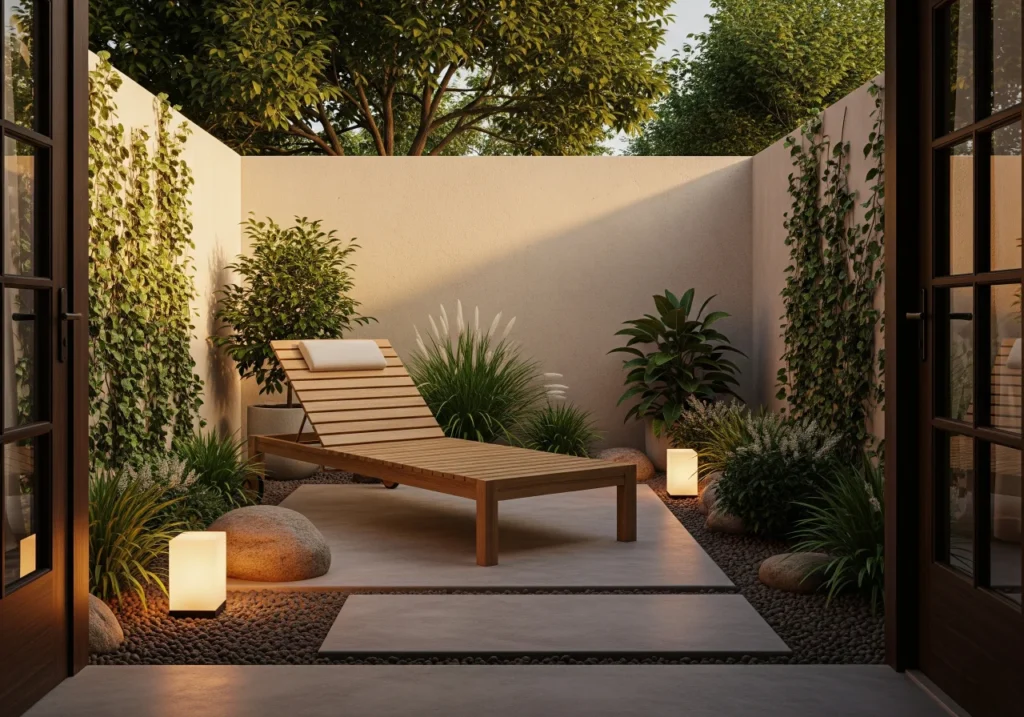
Creating your backyard retreat begins with identifying the most suitable area. Survey your backyard and pinpoint a section that can be easily transformed. Consider the size, accessibility, and the current landscaping. Whether you have a sprawling garden or a compact patio, there is potential for creating a peaceful haven.
| Aspect | Considerations | Benefits |
|---|---|---|
| Space availability | Size and dimensions | Appropriately scaled features |
| Light and shade | Sun exposure and trees | Natural warmth and shaded respite |
| Existing landscape | Plants and terrain | Aesthetic and eco-friendly design |
| Privacy | Walls, fences, and hedges | Secluded and intimate environment |
Accessibility is crucial. Paths or stepping stones can guide you comfortably to your retreat, making it a practical extension of your home.
Incorporating Elements of Nature
Bringing elements of nature into your retreat can profoundly impact its tranquility. Begin with selecting plants known for their soothing properties—lavender and chamomile not only add fragrance but also promote relaxation. Introducing a water feature, be it a small fountain or a birdbath, can dramatically alter the ambiance by creating a calming auditory backdrop.
Natural materials such as wooden furnishings or stone pathways enhance the organic feel of the space. As you nurture and tend to your garden, you will find a meditative rhythm, furthering your connection with nature and enhancing your self-care experience.
Creating Comfort with Seating and Shelter
Comfort is key when designing a space for self-care. Invest in quality seating that encourages you to linger. Whether it’s a hammock strung between trees, a cushioned lounger, or a quaint bench, your seating should invite you to relax and unwind.
Consider shelter options. A pergola draped with climbing vines provides shade and a sense of enclosure, making your retreat a haven in all seasons. In cooler months, adding throws or outdoor heaters can extend your retreat’s usability.
“The clearest way into the Universe is through a forest wilderness.” – John Muir
Crafting Ambiance with Lighting
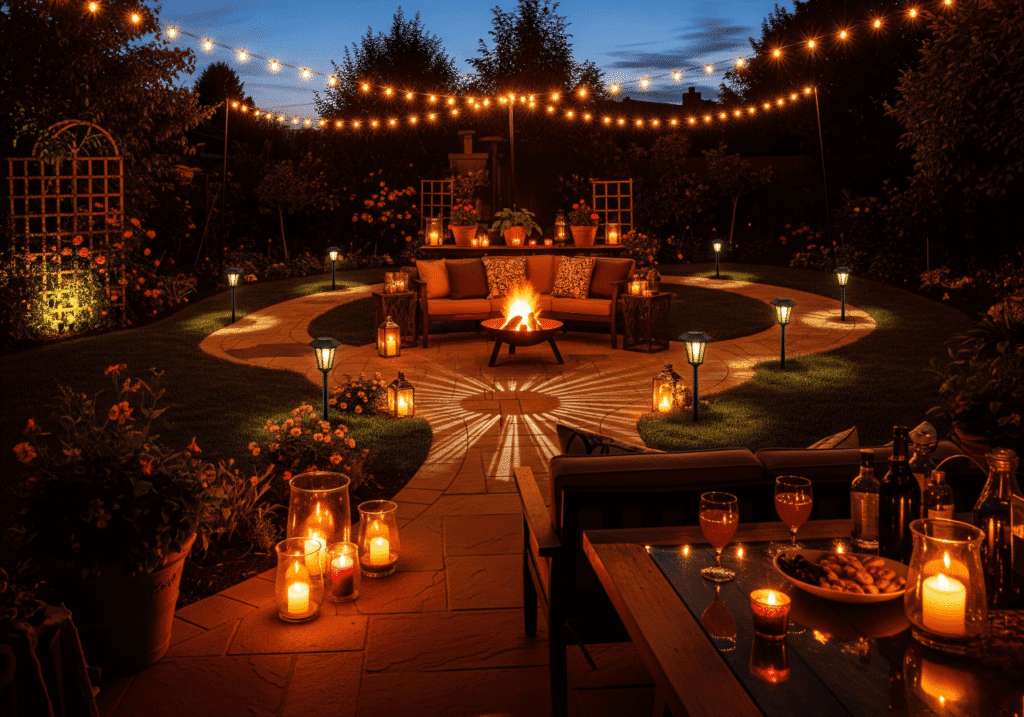
The atmosphere in your backyard retreat can be transformed with intentional lighting choices. Outdoor string lights can add a touch of whimsy, casting a warm glow over evening gatherings. Solar-powered lanterns or pathway lights mark your travel routes and illuminate focal points like water features or seating areas.
Candles or a fire pit can serve dual purposes by providing light and warmth. As the sun sets, these elements create a cozy and intimate setting for reflection or social evenings under the stars.
Enhancing Soundscapes
Sound is a powerful element in transforming your space. Water features, as mentioned earlier, naturally generate soothing sounds. For a diverse ambiance, consider wind chimes that provide gentle music as breezes pass through. Bluetooth speakers hidden among the foliage can play your favorite tunes or nature tracks to enhance relaxation.
– Select wind chimes of various materials for different pitch tones.
– Use waterproof speakers for durability.
– Incorporate bird feeders to attract local fauna.
– Opt for playlists designed to lower stress and anxiety.
Introducing Multi-Sensory Experiences
A successful retreat engages multiple senses to achieve tranquility. Aromatherapy can be a subtle yet impactful addition. Strategically placing rosemary or jasmine near seating areas invites you to breathe deeply and unwind. I personally enjoy lighting incense or essential oil diffusers for the gentle waft of calming scents like eucalyptus or sandalwood.
Textures also play a vital role. Incorporate tactile elements such as soft cushions, natural stone paths, or even a tactile herb garden, where you can feel the different leaf surfaces as you walk barefoot.
Personalizing Your Space
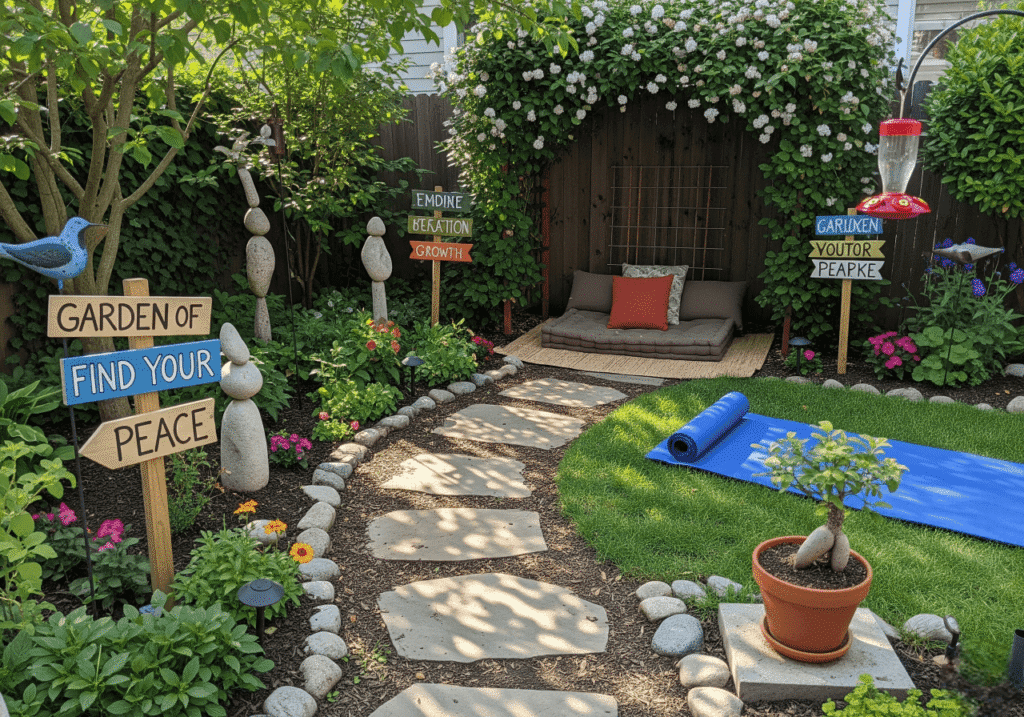
Personal touches you place in your retreat make it uniquely yours. This could range from artwork and sculptures to personal garden signs or a custom-painted pot. If you have particular hobbies, create spaces to cater to them, such as a meditation nook or a small yoga mat area.
Your backyard retreat should reflect your aspirations and needs. Incorporating these personal details not only enriches the space but also provides a deeper sense of ownership and connection.
Budget-Friendly Options and DIY Projects
Creating a backyard retreat doesn’t require a hefty investment. There are numerous budget-friendly tips and DIY projects to achieve your vision without financial strain. Repurposing furniture or utilizing reclaimed materials can significantly reduce costs. This can be a cornucopia of creativity when it comes to décor.
Plant selections from seeds or local cuttings can develop into plush greenery over time. Simple structures like DIY pergolas or vertical gardens can transform the visual dynamic of the space.
Maintaining Your Retreat
After establishing your backyard haven, consistent maintenance is paramount to preserve its tranquility. Regular pruning of plants, cleaning water features, and checking the condition of outdoor furniture keep the area inviting.
Consider setting aside a weekend each month to manage larger tasks, such as refreshing mulch or repainting structures, ensuring your retreat remains a sanctuary year-round.
FAQ – Common questions
What are easy-to-maintain plants for a backyard retreat?
Plants like lavender, succulents, and ferns are low-maintenance and add beauty to your retreat.
How can I create a private space if my backyard is open?
Use tall plants, pergolas with climbing vines, or strategically placed screens to enhance privacy.
How much does it cost to build a simple backyard retreat?
The cost varies but can be minimized with DIY projects and using existing materials creatively.
What lighting options are most energy-efficient for my retreat?
Solar-powered lights and LED options are eco-friendly and cost-efficient for outdoor use.
Are there any specific materials you recommend for outdoor furniture?
Teak, cedar, and metal are durable materials that withstand outdoor conditions effectively.
 Creating a peaceful backyard retreat is a rewarding endeavor that nurtures your well-being and offers a personal escape from the daily grind. By thoughtfully considering elements of nature, comfort, and personalization, you can develop an outdoor sanctuary that reflects your unique identity and meets your self-care needs. Whether through the gentle rustle of leaves in the wind, the scent of fresh blooms, or the warmth of a cozy fire pit, your retreat can become a cherished space for relaxation and renewal.
 Read Also:
 Sustainable Gardening Tips: How to Grow a Greener Garden at Home
Eco-friendly tips for growing a greener, more conscious garden.
Smart Garden Tool Storage Ideas That Actually Work (Even in Small Spaces)
Practical organization for garden tools, even with limited space.