




 Reading time: 6 minutes.
Welcome to a world where cozy and compact create a harmonious blend. Have you ever entered a small bedroom and felt overwhelmed by the challenge of fostering both style and functionality? You’re in good company. Many individuals face the dilemma of optimizing a limited space without sacrificing comfort or aesthetics. Whether you’re dwelling in a city apartment or a snug bungalow, designing a small bedroom requires a thoughtful approach that considers every square inch.
Understanding the Challenges
The initial step in designing a small bedroom is understanding the specific challenges that come with limited space. It’s no secret that small bedrooms can present an uphill battle, especially when maneuvering around furniture and storage.
| Challenge | Impact | Solution |
|---|---|---|
| Limited Floor Space | Constrains movement and furniture placement | Multi-functional furniture choices |
| Storage Needs | Crowds available space | Innovative storage solutions |
| Lighting Limitations | Creates a dull atmosphere | Layered lighting techniques |
| Personalization | Room feels impersonal or cluttered | Customized decor accents |
Addressing these challenges involves integrating creative and practical solutions that elevate a small bedroom from a mere sleeping area to a personal sanctuary.
Choosing the Right Furniture
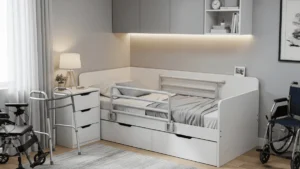
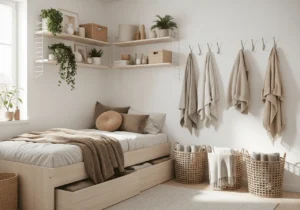
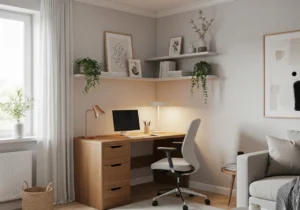
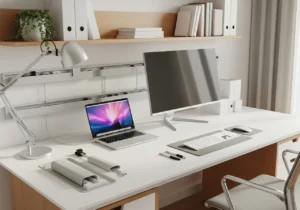
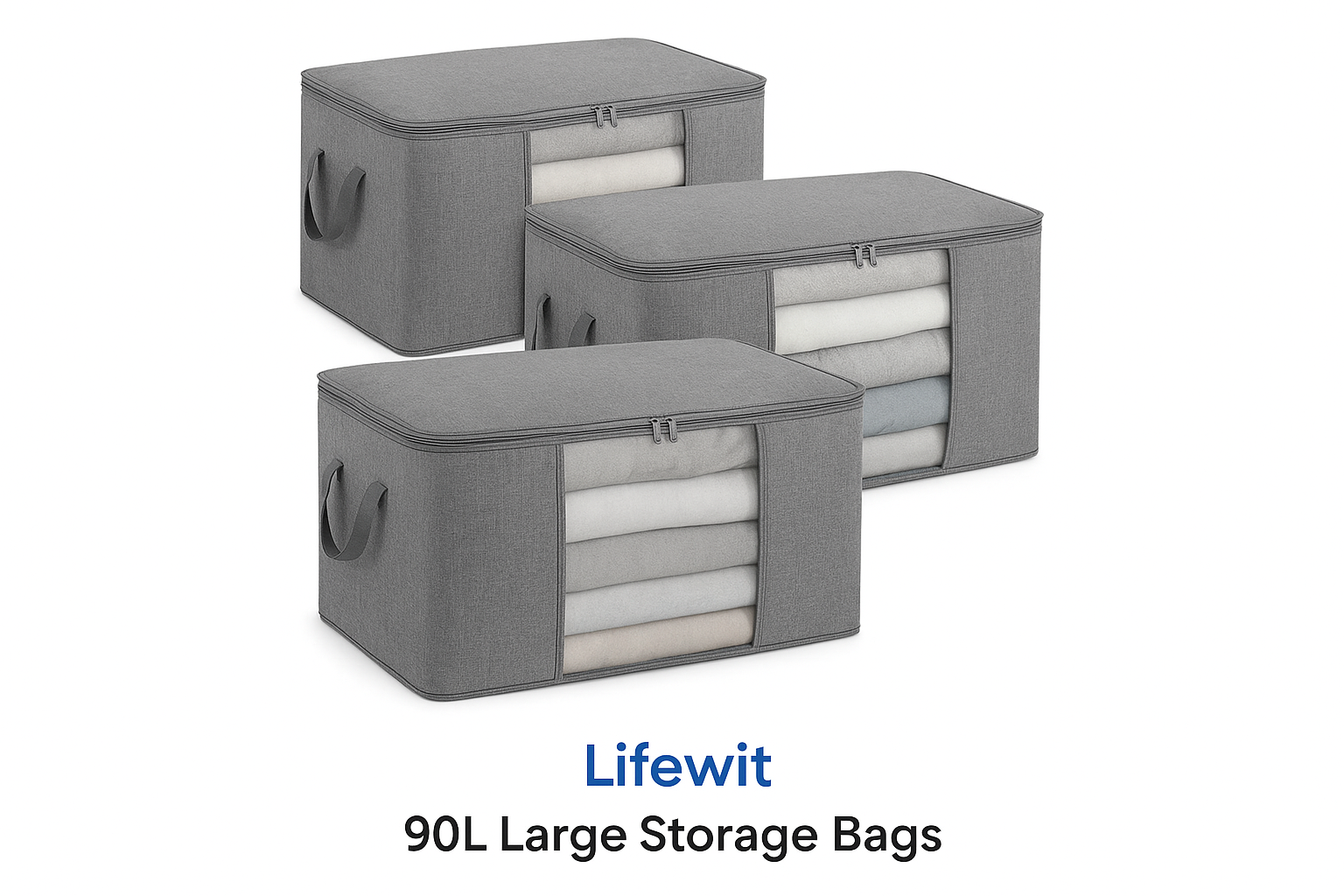
Furniture selection is crucial in any bedroom design, but its importance is magnified in smaller rooms. The right pieces not only provide functionality but can dramatically enhance the aesthetics of a room. When selecting furniture for compact spaces, consider dual-purpose items. Beds with built-in storage, such as drawers or lift-up platforms, are lifesavers, providing extra space for bedding or seasonal clothing without occupying additional room. Additionally, floating shelves and wall-mounted desks can add style and practicality without encroaching on precious floor space.
Clever furniture choices transform a small bedroom into a versatile space, offering both comfort and utility. Folding or collapsible furniture also provides flexibility, allowing the space to be reconfigured as needed.
Optimizing Layout and Flow
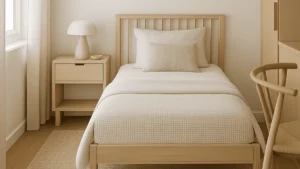
One of the most significant aspects of a successful small bedroom design is optimizing the room’s layout. Arrangement directly impacts flow and functionality. Placing the bed in a central position against the longest wall often provides the most cohesive layout, acting as a focal point while maximizing other usable space. Symmetry can create a sense of balance, with matching bedside tables or sconces on either side of the bed.
Consider leaving pathways clear and ensuring that all doors and drawers can open fully without obstruction. This approach not only aids in mobility but also maintains a sense of openness in the room.
“The best rooms have something to say about the people who live in them.” – David Hicks
Incorporating Vertical Space
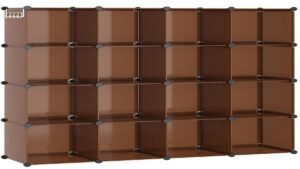
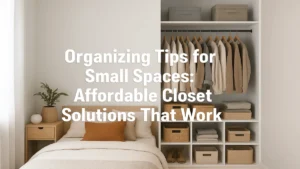
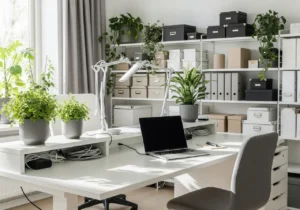
Small bedrooms often lack extensive horizontal space, but the walls hold untapped potential. Using vertical space efficiently can significantly increase storage and create the illusion of a larger room. Tall bookshelves, mounted cabinets, and hanging rails can keep items organized and accessible. Extending window curtains from floor to ceiling also draws the eye upward, creating a perception of increased height and airiness.
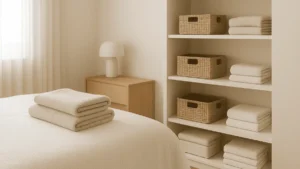
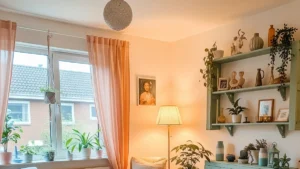
Vertical storage not only de-clutters surfaces but can serve as a decorative element. Styling shelves with a mix of books, plants, and personal items can personalize and warm up the space.
Color and Lighting Strategies
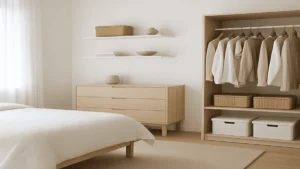
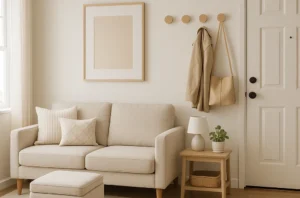
Color plays a pivotal role in the perception of space. Lighter shades tend to open up a room, making it appear more expansive and inviting. Neutral palettes complemented by strategic pops of color can enhance visual interest without overwhelming a small space.
Lighting, too, is integral to a room’s mood and functionality. Layered lighting, combining ambient, task, and accent lights, offers versatility and can adapt to various needs—from reading to relaxation. Utilizing mirrors strategically can amplify light and give the illusion of more room by reflecting walls and furnishings.
Maintaining a balance between color, light, and design elements can transform even the smallest bedroom into a serene and functional space.
The Role of Textiles and Accessories
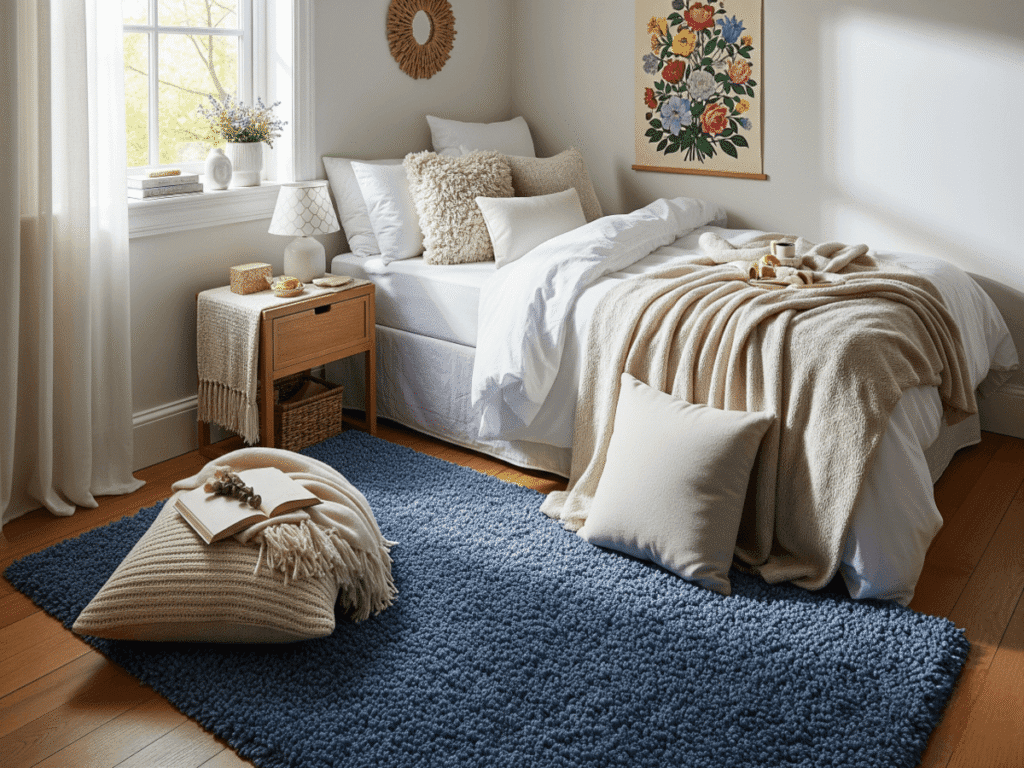
Textiles add dimension and comfort, crucial elements in a restful bedroom environment. Choosing the right fabrics can make a noticeable difference to the overall feel of the space. Textiles should complement the color scheme and bring in various textures.
When accessorizing, moderation is key to avoid a cluttered look. Rugs, throws, and cushions can provide warmth and personality while remaining functional. Artwork and personal mementos can adorn walls without intruding on floor space, adding character and charm to your small sanctuary.
Creating Illusions with Design
1- Use mirrors to reflect light and give the illusion of depth and space.
2- Incorporate stripes (horizontal or vertical) in wallpaper or textiles to elongate and stretch the perception of space.
3- Transparent furniture, such as acrylic chairs or glass tables, can create the appearance of a more open room.
4- Maintain minimalism to avoid overwhelming the space with unnecessary items or details.
By employing these illusion-creating tactics, small bedrooms can feel roomy and airy, promoting a calming atmosphere.
Utilizing Personalized Decor
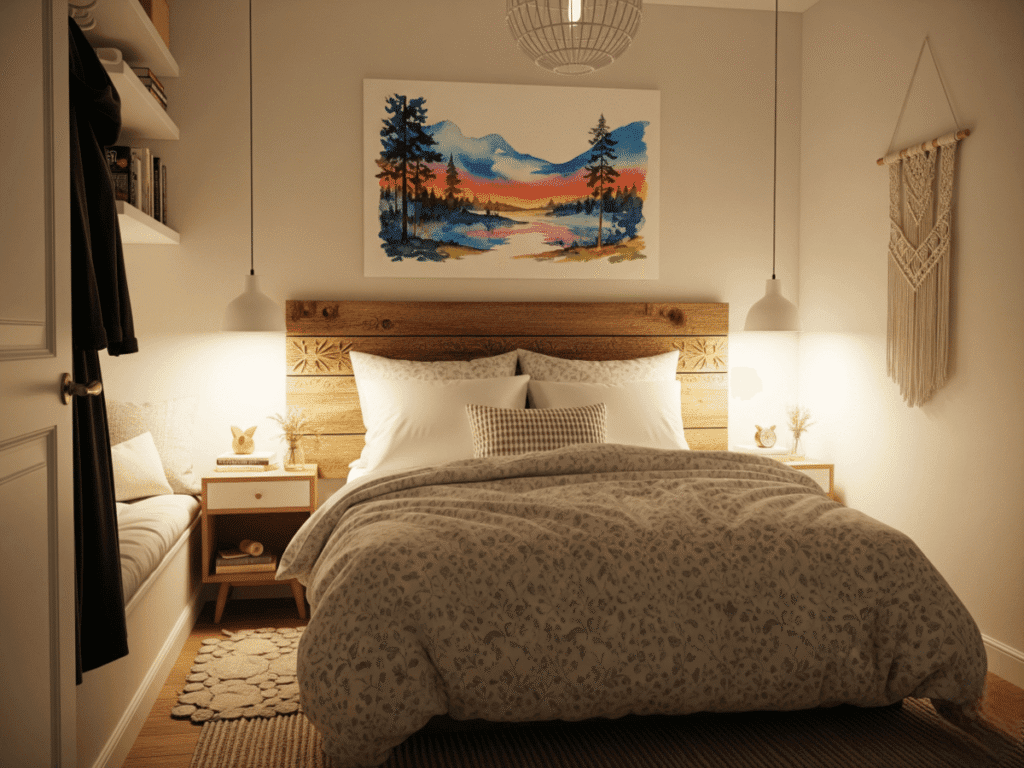
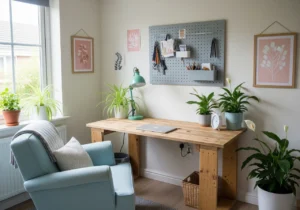
Despite spatial constraints, personalizing a small bedroom is essential to make it feel like home. Utilizing personalized decor allows residents to express their personality and style without compromising on space or functionality. This can include custom headboards, unique art pieces, or even tailored bedding.
Personal items should be chosen carefully to avoid overcrowding. The inclusion of a few thoughtful pieces can provide a sense of identity and warmth, differentiating your bedroom from a generic, impersonal space.
FAQ – Common Questions
What type of bed is best for small bedrooms?
Opt for a bed with built-in storage or a Murphy bed to maximize space without sacrificing functionality.
Can I use dark colors in a small bedroom?
Yes, while lighter colors can open a space, dark tones can add depth and create a cozy atmosphere when used correctly with adequate lighting.
How do I prevent my small bedroom from feeling cluttered?
Prioritize storage solutions, keep decor minimal, and regularly evaluate belongings to maintain order and space.
What are some space-saving furniture options?
Consider modular pieces, multi-functional items, and furniture that can be easily moved or adjusted as needs change.
How important is lighting in small bedrooms?
Lighting is crucial as it can dramatically affect the room’s ambiance, making it feel larger and more welcoming.
 Designing a small bedroom that balances form and function is both an art and a science. By understanding the constraints and opportunities these spaces offer, anyone can craft a room that is not only efficient but also stylish. Embrace smart furniture choices, optimize layout, and infuse personality into every corner to transform your compact quarters into a luxurious retreat. With creativity and thoughtful planning, any small bedroom can achieve its full potential, offering comfort and practicality in equal measure.