







 Reading Time: 7 minutes
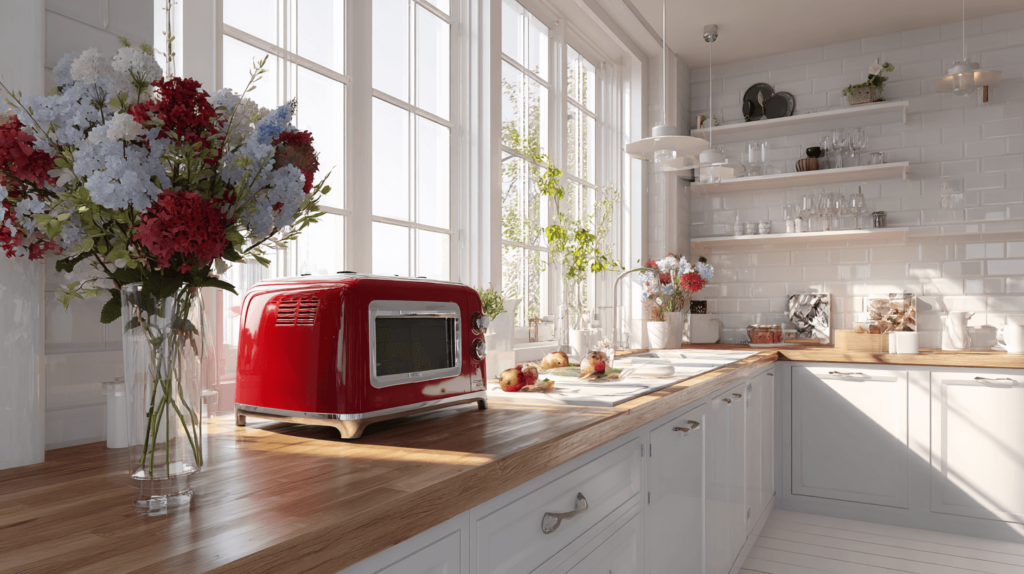
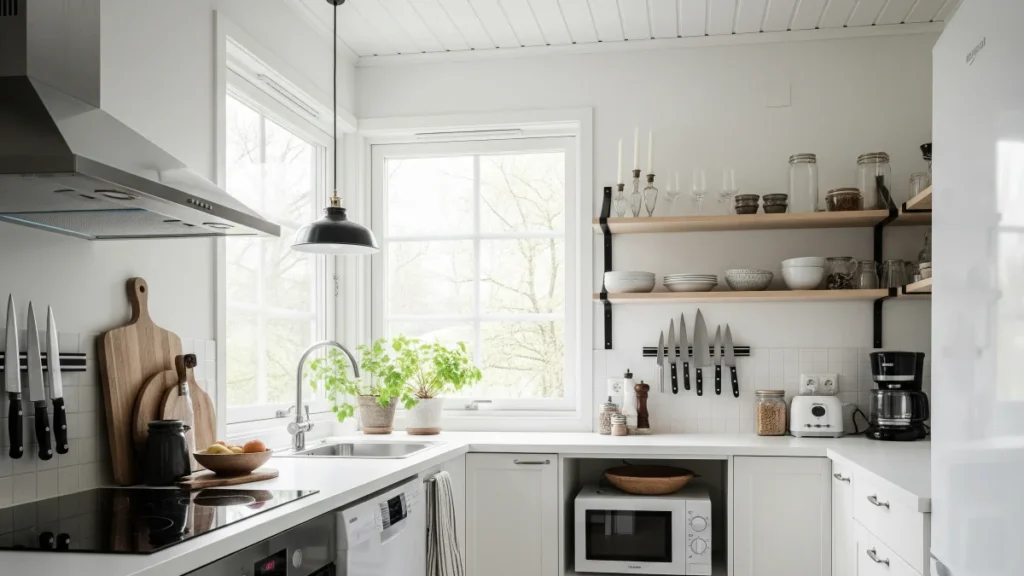
Implementing green kitchen ideas is the perfect way to combine style with sustainability in the heart of your home.
The kitchen is the heart of any home, but it can also be a major source of waste and energy consumption. With growing awareness about climate change and sustainable living, more homeowners are choosing to transform their cooking spaces into eco-friendly, functional environments. In this article, we’ll explore smart and stylish ideas to help you design a green kitchen that aligns with both your values and aesthetics.
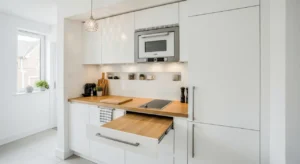
1. Top Green Kitchen Ideas for Materials and Decor
The foundation of a green kitchen begins with the materials you use. From countertops to cabinets, sustainable options help reduce your carbon footprint.
- green-kitchen, eco-friendly, kitchen-storage, sustainable-designlow-waste-living
 Eco-Friendly Options:
- Bamboo: Rapidly renewable, durable, and stylish for cabinetry or utensils
- Recycled Glass Countertops: Beautiful, low-maintenance, and made from post-consumer materials
- Reclaimed Wood: Adds rustic charm and keeps usable wood out of landfills
 Pro Tip: Look for FSC-certified wood and low-VOC paints to improve indoor air quality.
2. Invest in Energy-Efficient Appliances
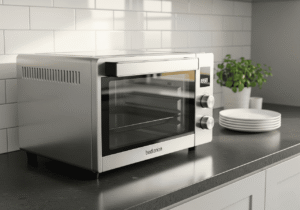
Old appliances not only waste energy but can significantly increase your monthly utility bills. Upgrade to modern, energy-efficient models that are certified by Energy Star.
 High-Efficiency Must-Haves:
- Refrigerators: Choose models with inverter technology
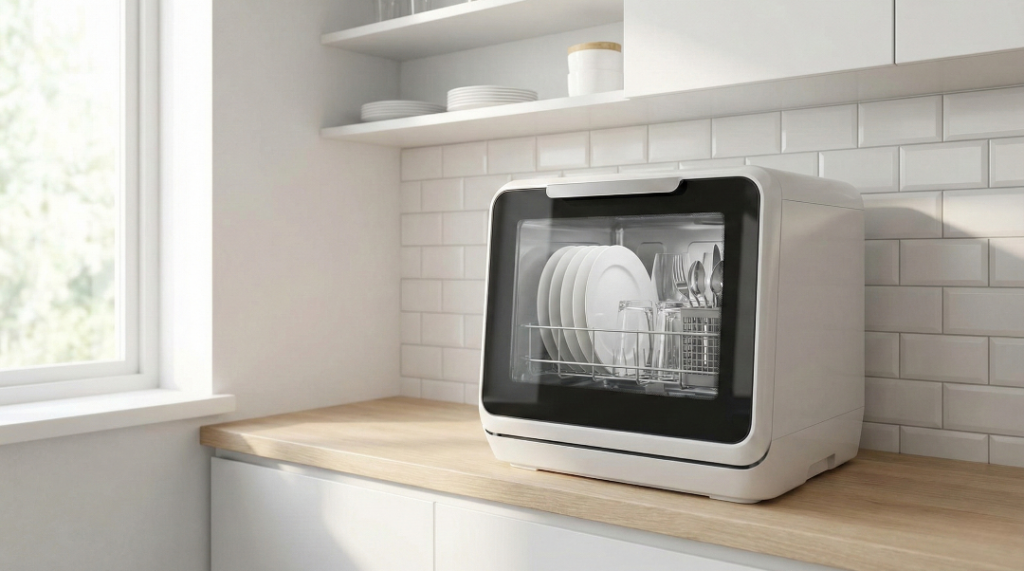
- Dishwashers: Opt for ones with eco-wash settings
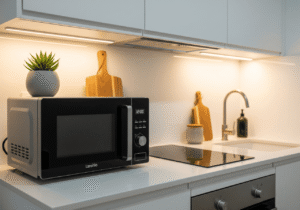
- Induction Cooktops: More energy-efficient than gas or electric stoves
 Did You Know? Energy-efficient appliances can reduce kitchen energy usage by up to 30%.
Choosing efficient appliances is key, so always look for the Energy Star label
3. Rethink Storage with a Sustainable Twist
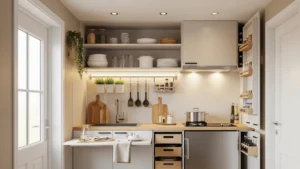
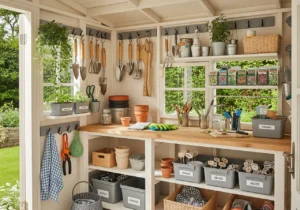
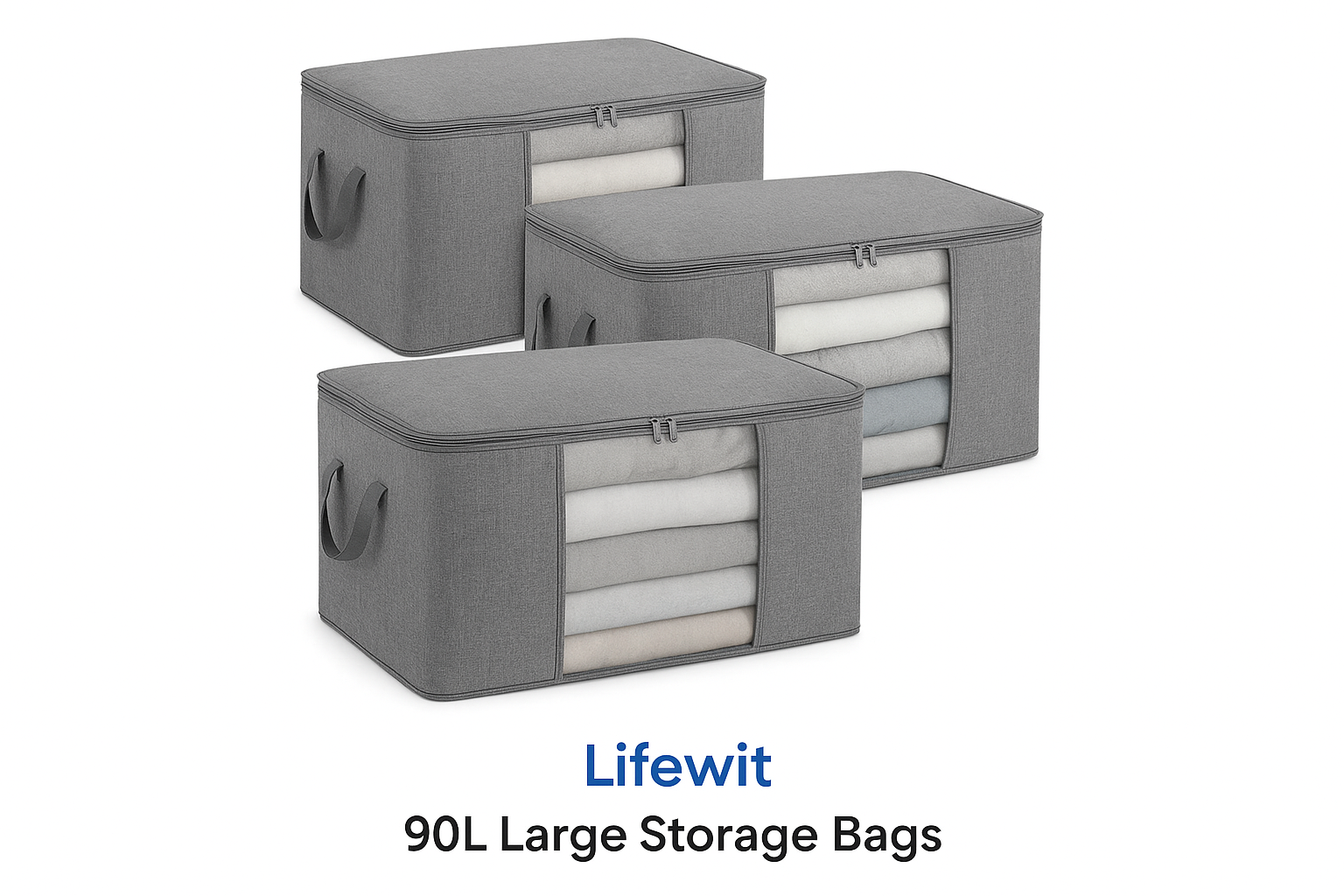
Storage plays a big role in maintaining a green kitchen. Organizing your space properly reduces food waste, makes eco-friendly habits easier, and enhances functionality.
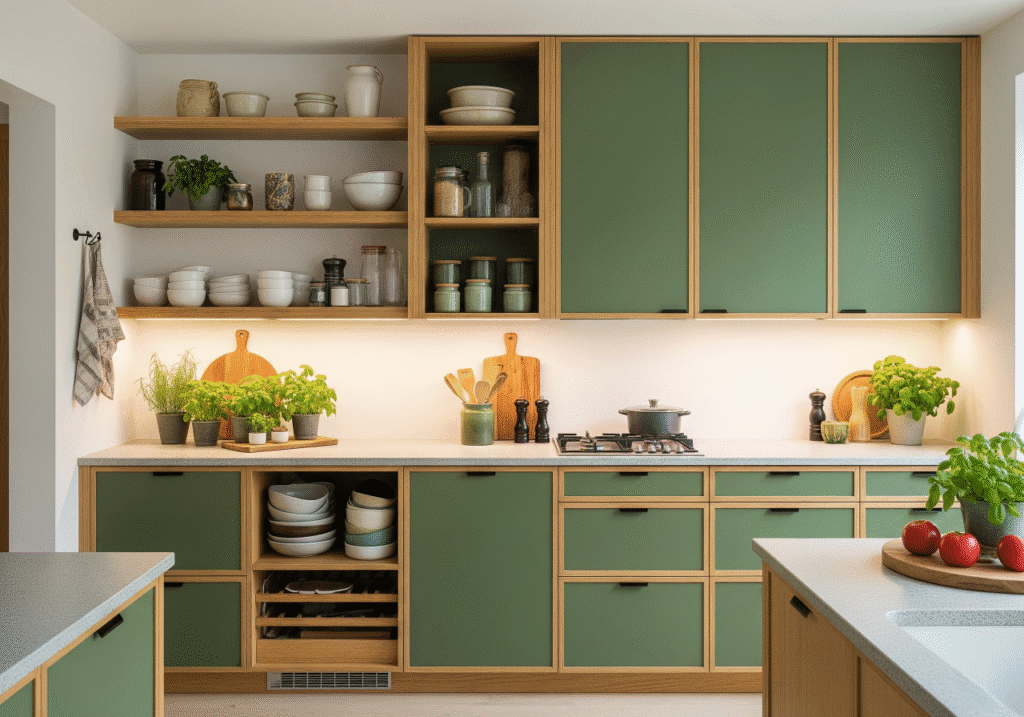
 Eco-Conscious Storage Solutions:
- Glass Jars & Containers: Replace plastic Tupperware with glass or stainless steel
- Pull-Out Pantry Systems: Improve visibility and reduce forgotten items
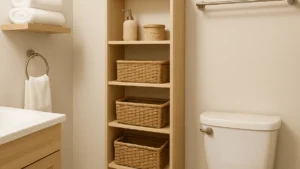
- Modular Shelving: Made from recycled or sustainably sourced wood
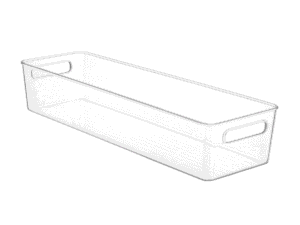
 Try This: Create a “zero-waste station” with labeled bins for compost, recycling, and reusable bags.
4. Go Green with Lighting & Water Use
Sustainable design isn’t just about materials and appliances—it’s also about utilities.
Lighting:
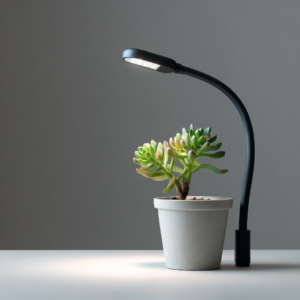
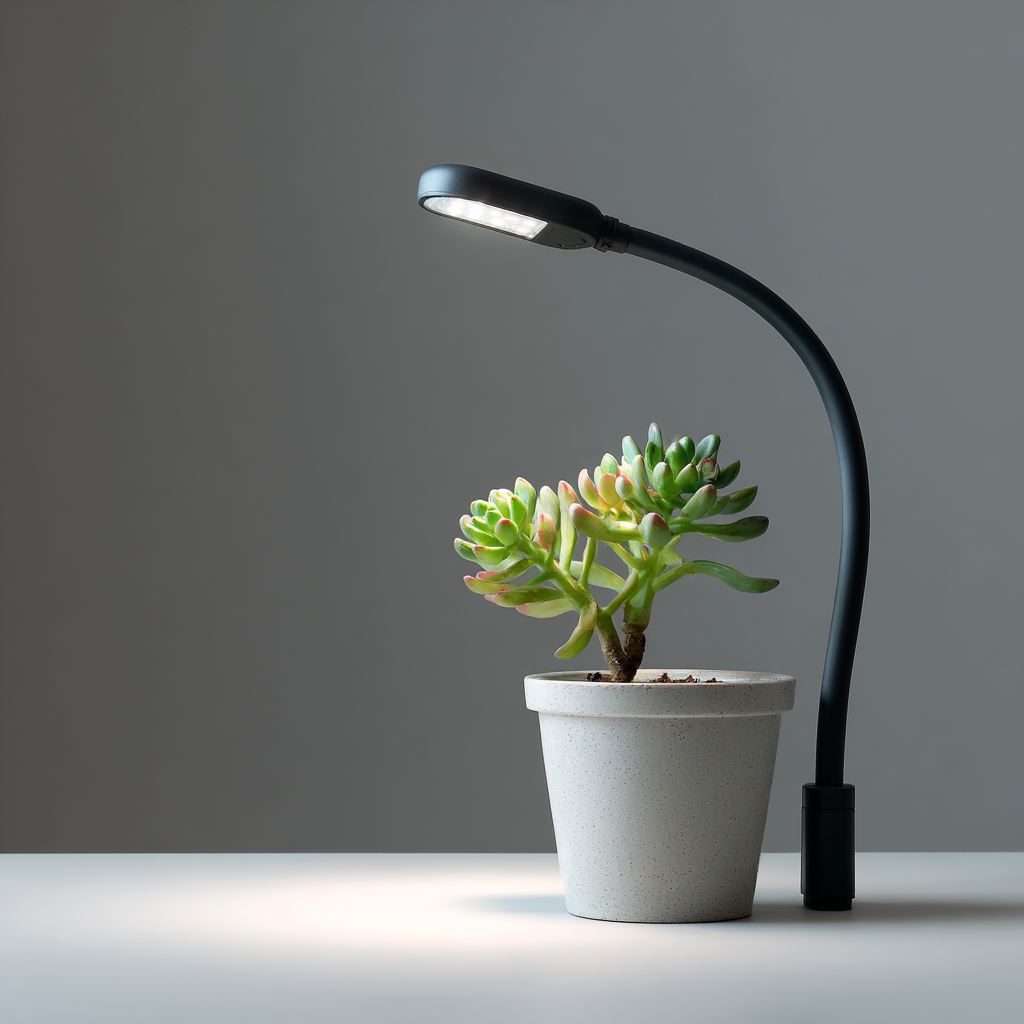
- Use LED bulbs which last longer and consume less energy
- Install motion sensors or dimmers to control usage
 Water Efficiency:
- Low-flow faucets and aerators reduce water waste without affecting performance
- Touchless faucets help conserve water while improving hygiene
 Bonus Tip: Consider a greywater system to reuse sink water for garden irrigation.
5. Decor & Accessories: Stylish + Eco-Conscious
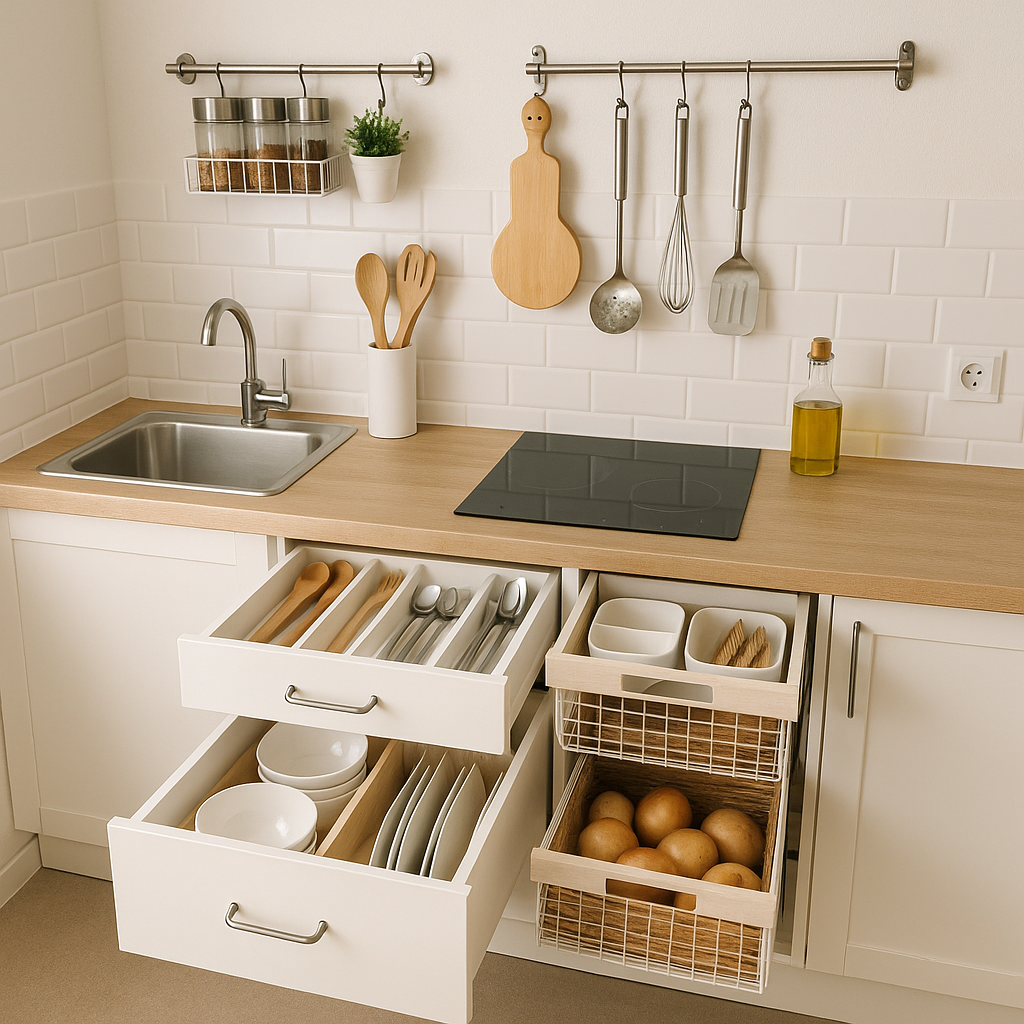
You don’t have to sacrifice style for sustainability. Plenty of beautiful kitchen accessories are both trendy and eco-friendly.
 Sustainable Decor Tips:
- Natural Fiber Rugs (like jute or cotton)
- Reusable Dish Cloths instead of paper towels
- Vintage or Upcycled Items for décor and storage
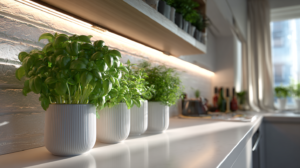
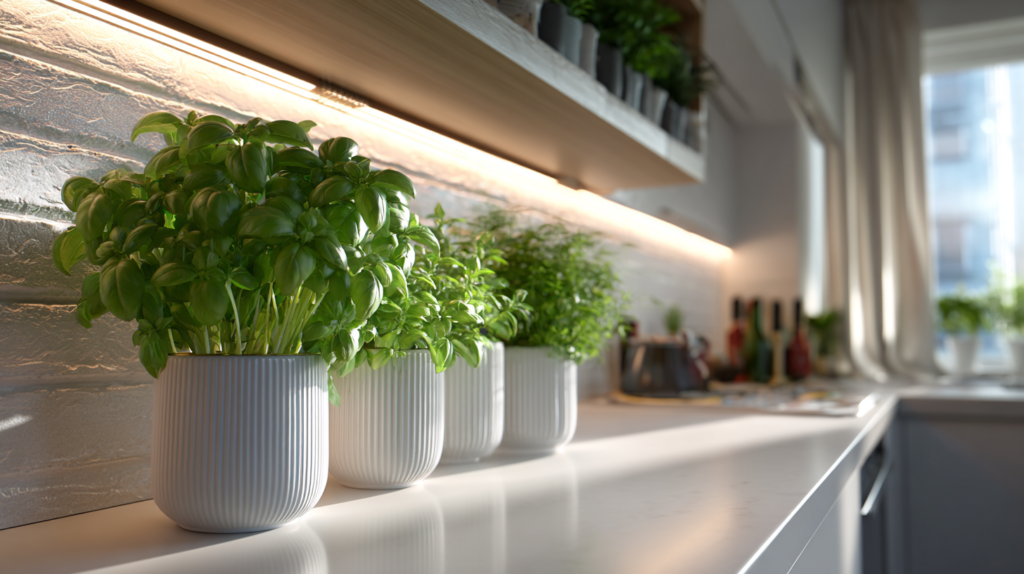
- Indoor Herb Gardens for fresh, homegrown ingredients
 Eco Upgrade: Swap synthetic cleaners for homemade or plant-based alternatives in reusable glass spray bottles.
 FAQ – Green Kitchen Ideas
What is a green kitchen?
A green kitchen is designed with sustainability in mind. It includes energy-efficient appliances, eco-friendly materials, and practices that reduce waste and environmental impact.
Are eco-friendly kitchens more expensive?
Initially, some sustainable products may have a higher cost, but they often save money in the long run through energy and water efficiency.
What materials are best for a sustainable kitchen?
Look for recycled, reclaimed, or rapidly renewable materials like bamboo, recycled glass, FSC-certified wood, or low-VOC paint for a greener kitchen.
How can I reduce waste in my kitchen?
Composting, buying in bulk, using reusable containers, and avoiding single-use plastics are practical ways to reduce kitchen waste.
What colors work best in a green kitchen design?
Earth tones like sage green, soft whites, and natural wood tones are popular in green kitchens, but bolder options like emerald or forest green can also make a sustainable style statement.
Small Changes, Big Impact
Designing a green kitchen doesn’t require a full renovation. Even small upgrades—like switching to LED lighting or using sustainable materials—can make a meaningful difference. A green kitchen is more than a trend; it’s a lifestyle choice that promotes health, saves money, and protects the planet.
 Read Also: Once your eco-friendly space is ready, keep it tidy with our Kitchen Organization Guide