





Considerations for a Functional Living Room
Have you ever walked into a living room and felt instantly at ease, as though the space had been curated just for your comfort? Designing a functional and welcoming living room is both an art and a science, demanding an understanding of aesthetics and practicality. Today’s living rooms are more than just a place to sit; they serve as a hub for family gatherings, game nights, and quiet evenings of relaxation. A well-designed living room should resonate with comfort, adaptability, and style.
To create such a space, it is crucial to balance form and function, focusing on both the room’s usability and its overall look. This involves a thoughtful layout, furniture selection, and the integration of personal touches that make the space feel uniquely yours. It’s important to consider the activities that will take place in the room—be it casual lounging, entertaining guests, or setting up a home office corner—and design accordingly to accommodate these diverse functions seamlessly.
Understanding the Elements of Sharing
Understanding and incorporating various elements that contribute to a shareable, communal space is pivotal. From ensuring adequate lighting to the choice of upholstery, each decision influences the room’s atmosphere.
| Elemento | Importância | Consideração |
|---|---|---|
| Iluminação | Fundamental | Ambiente acolhedor |
| Assentos | Essencial | Versatilidade e conforto |
| Eletrodomésticos | Opções | Funcionalidade |
| Decoração | Diversão | Estética pessoal |
The key to a successful design is understanding how these elements interact with one another. For example, adequate lighting doesn’t just illuminate a room; it also enhances its mood and aesthetic. Combining functional seating arrangements with stylish decor and thoughtful lighting creates a cohesive space that encourages social interactivity and relaxation.
Color Palette and Texture Inspiration
Choosing the right color palette and textures can dramatically transform your living room. Neutrals like whites, greys, and beiges create a serene environment, whereas bold colors like deep greens and blues can make a dramatic statement. When paired with complementary textures such as soft rugs, wool throws, or velvet cushions, your living room can become an inviting space that appeals to the senses.
Consider how different colors and textures can affect the emotion and functionality of the room. Lighter shades can make smaller spaces appear more expansive and open, while darker tones can add sophistication and depth. The key is to create a balance that resonates with your personal style while being inviting to guests. Using statement pieces like a bold sofa or unique artwork can act as focal points, adding personality and interest to the design.
“The living room should be a place where we feel totally at ease – temple of the soul.” – Terence Conran
Optimizing Space in Small Rooms
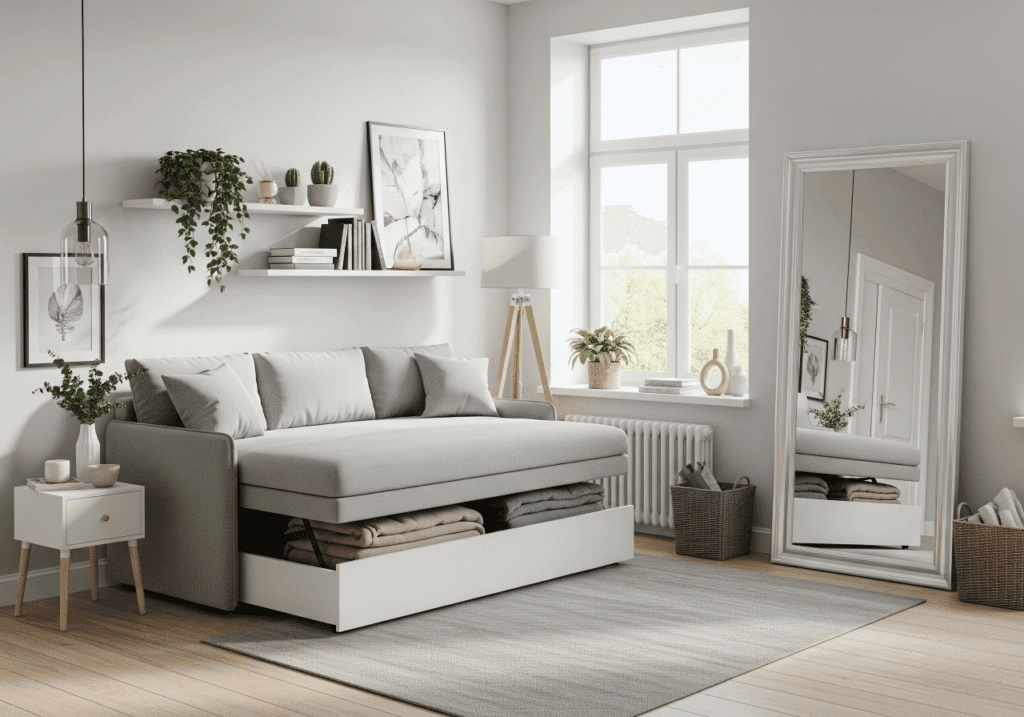
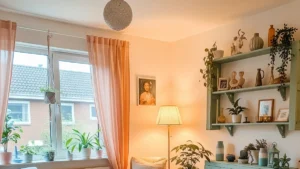
Small living rooms present unique challenges but also opportunities for creativity. Rather than viewing limited space as a disadvantage, consider it a canvas for innovative solutions. Employ multi-functional furniture such as sofas with hidden storage or fold-out tables. Wall-mounted shelves provide additional storage without sacrificing floor space; mirrors can create the illusion of depth and width.
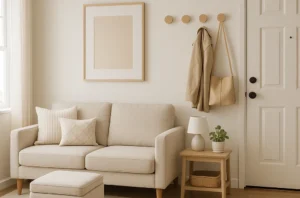
Choosing furniture proportional to the room size is crucial. Oversized pieces can overwhelm a small room, while compact, versatile furniture can make a space feel open and inviting. Opt for furniture that can be easily rearranged, allowing you to adapt the space for different occasions. This flexibility is key in smaller environments, ensuring that the room remains functional and welcoming regardless of its size.
Maximizing Comfort with Furniture Arrangement
Furniture arrangement plays a significant role in creating a comfortable and functional living space. It’s not just about placing pieces in a room; it’s about orchestrating them for conversation, traffic flow, and balance. A well-thought-out layout facilitates free movement, making your living room a place of ease for both residents and visitors.
Consider positioning seating to foster interaction and comfort. Group chairs and sofas to encourage conversation, perhaps around a central coffee table. If your room serves multiple purposes, delineate areas with rugs or different seating arrangements to provide structure.
– Use area rugs to define different zones within the room.
– Arrange seating around a focal point like a fireplace or television.
– Leave space for natural pathways to ensure ease of movement.
Understanding scale is also vital. Larger rooms can accommodate hefty furniture, while smaller rooms benefit from carefully chosen pieces that maximize space without cluttering the room.
The Importance of Lighting
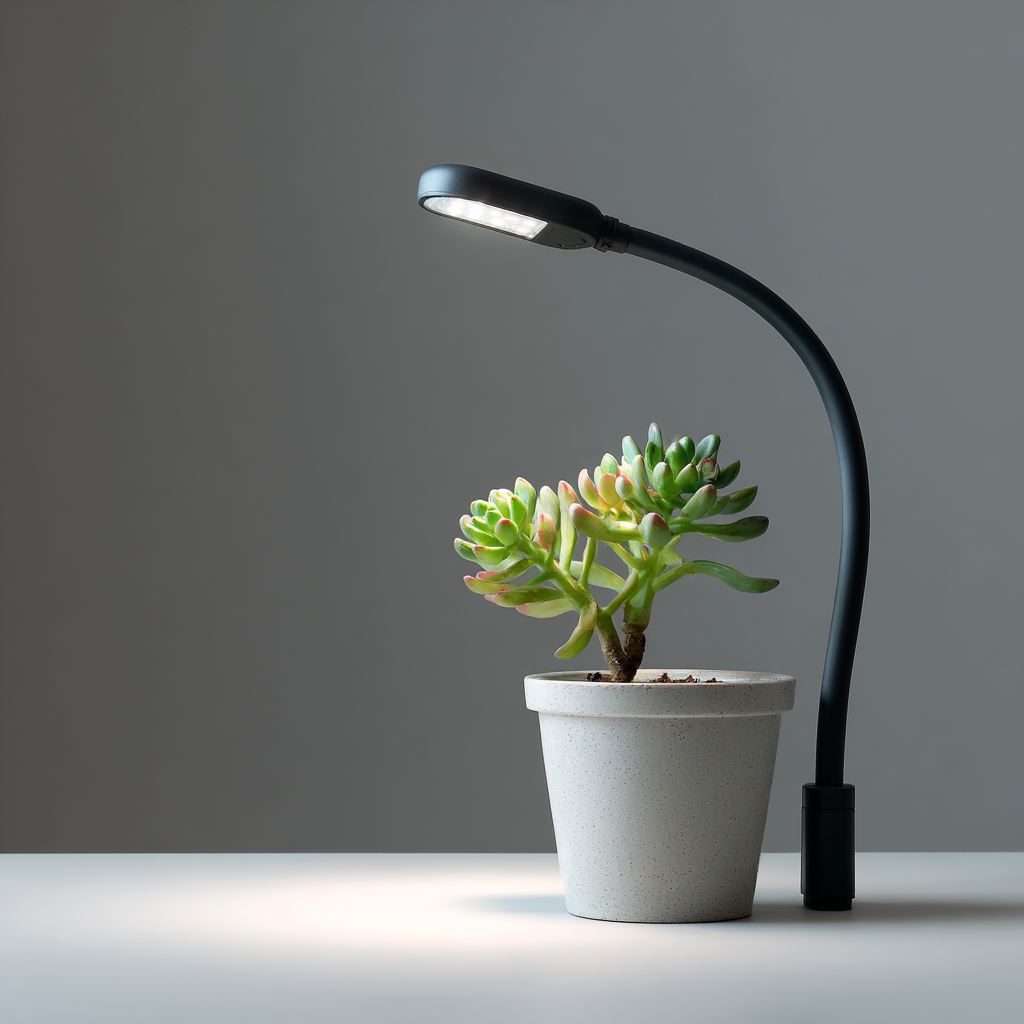
Lighting in a living room is multifaceted, contributing to both function and ambiance. Good lighting sets the tone of the room, highlighting design elements while also ensuring the room is practical for daily activities. A successful lighting plan combines ambient, task, and accent lighting.
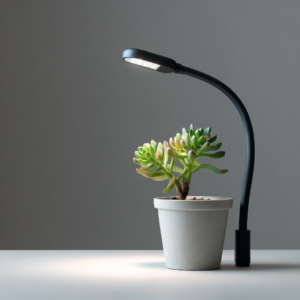
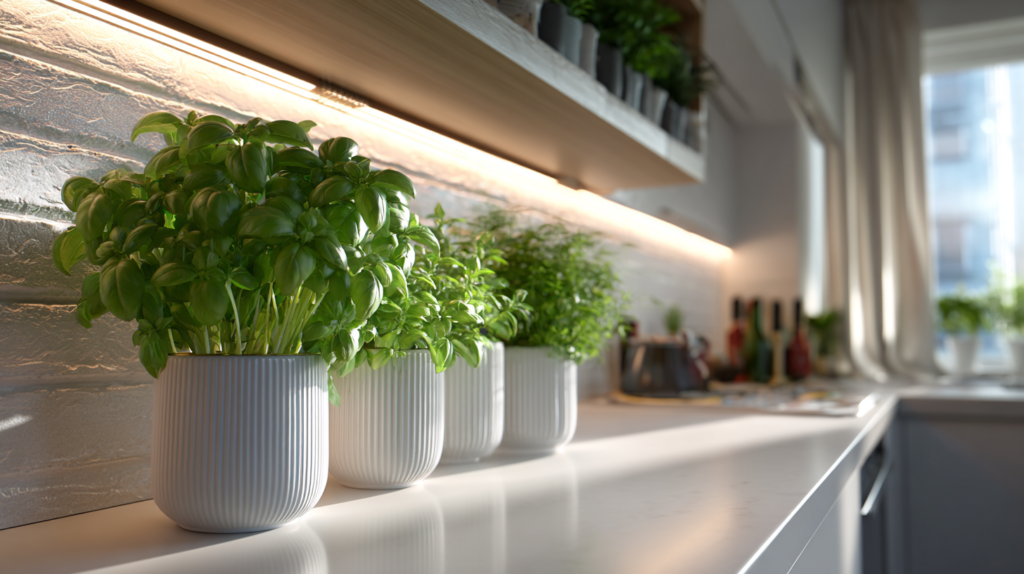
Ambient lighting is the primary source, usually from ceiling fixtures or large lamps, which ensures the room is evenly lit. Task lighting, such as reading lamps or under-cabinet lights, focuses on specific areas where more brightness is needed. Lastly, accent lighting such as spotlights or wall sconces can highlight artworks or architectural features, adding depth to the room’s aesthetics.
Incorporating dimmers provides additional control, allowing you to adjust lighting levels based on the occasion or time of day. Natural lighting should also be maximized during the day, using sheer curtains to diffuse harsh sunlight, maintaining a bright yet soft atmosphere.
The Role of Accessories
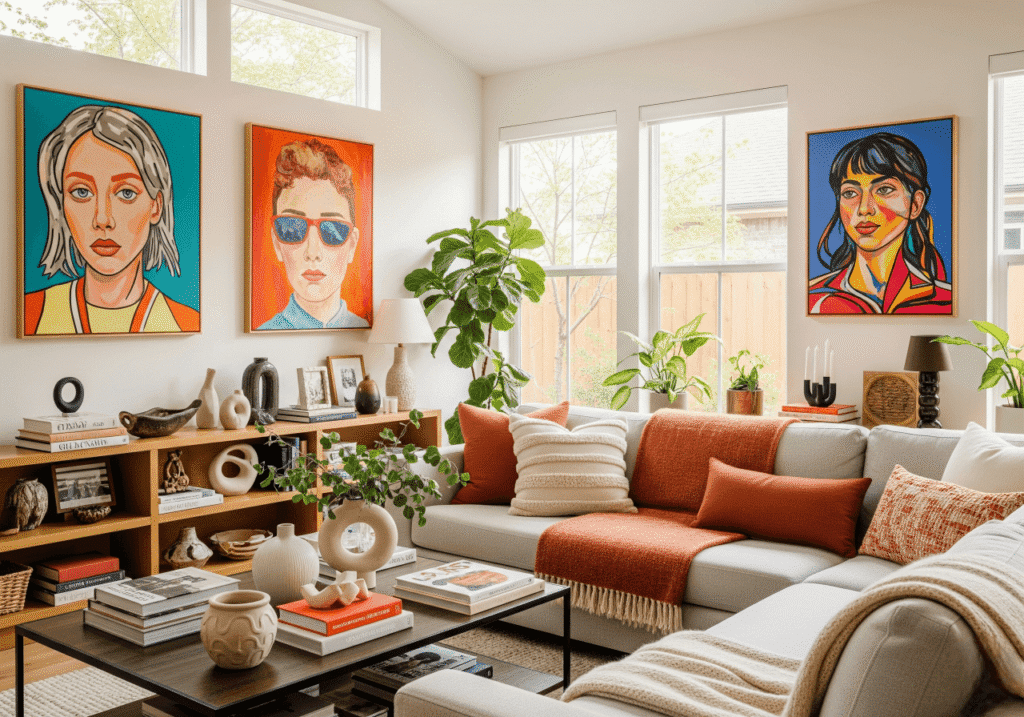
Accessories play a critical role in expressing personality and adding layers to a living room design. They serve as points of interest and conversation starters, allowing you to showcase your taste and travels through art pieces, textiles, and unique finds.
Choosing accessories involves striking a balance between necessity and novelty. Consider incorporating objects that reflect personal stories or cultural heritage. Books, sculptures, and plants can add dimension and color, creating visual intrigue. However, it’s important to avoid overcrowding, as this can detract from the room’s serenity and functionality.
A curated selection of accessories ensures that the space does not feel static or impersonal. Rotating items seasonally or as your interests evolve keeps the space dynamic and reflective of the current moment.
Integrating Technology Seamlessly
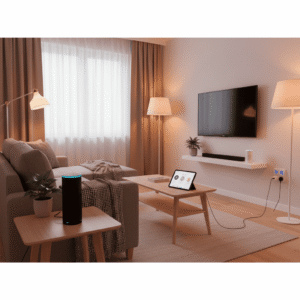
Incorporating technology into the living room is a modern necessity, often influencing how we arrange the space itself. With advancements such as smart televisions, integrated sound systems, and home assistants, technology must be incorporated thoughtfully to enhance, rather than clutter, the environment.
Consider hiding cables within wall-mounted systems or using furniture designed to house electronic devices neatly. Smart hubs enable control of various functionalities like lighting, temperature, and entertainment systems from a single source, offering convenience without sacrificing aesthetic.
When planning the design, ensure that technological elements are easily accessible yet unobtrusive. This balance between visibility and discretion allows technology to contribute positively to the ambiance and utility of the room.
Incorporating Personal Touches
While professionals can offer guidance, the ultimate charm of a living room derives from personal touches that make it uniquely yours. Incorporating family photos, cherished heirlooms, or handmade crafts can inject warmth and individuality into the space.
Personal items not only serve as decoration but also as a narrative of the occupants’ lives and interests. Displaying memories through photographs or art assembled over time creates an engaging atmosphere that tells a story. Collectors might find satisfaction in showcasing pieces from their collections, subtly merging aesthetics with personal history.
Considering these elements as integral to the room’s design rather than afterthoughts ensures a cohesive, harmonious environment. This creates a space that feels nurturing, engaging, and truly representative of those who inhabit it.
FAQ – Common questions
What color should I choose for a small living room?
Opt for lighter shades such as whites or pastels, which can make the space feel more open and airy.
How can I make my living room more inviting?
Incorporate textured accessories, ensure comfortable seating arrangements, and use warm lighting to create a welcoming ambiance.
Should I prioritize aesthetics over functionality in my living room design?
Both aspects are equally important; a balance ensures the space is both beautiful and practical for everyday use.
What role do rugs play in a living room?
Rugs can define areas within a living room, adding warmth and texture while protecting floors.
How can I integrate a home office in the living room?
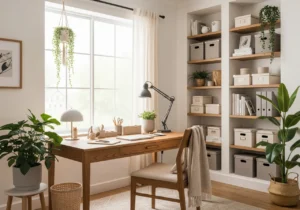
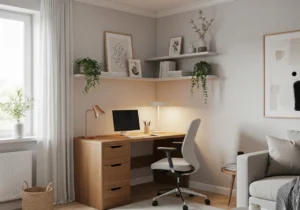
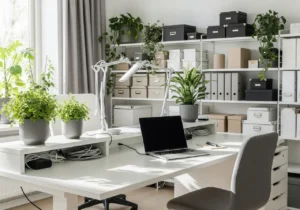
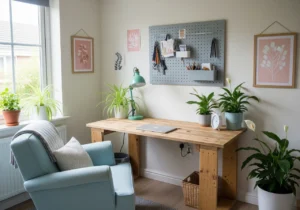
Use multi-functional furniture like a desk that doubles as a console, and ensure clear delineation from the rest of the space using rugs or shelves
 Creating a functional and welcoming living room requires a blend of strategic planning and personal flair. By considering layout, furniture, lighting, color schemes, and personal touches, homeowners can curate spaces that are both efficient and inviting. As the heart of the home, the living room reflects personal style and offers a haven for relaxation and connection. Balancing these elements thoughtfully ensures the room serves its purpose while remaining adaptable to the evolving needs of its occupants.
 Explore More:
Adaptive Furniture Ideas for Small Living Rooms: Inclusive & Smart Solutions
Want a more accessible and comfortable space? Explore adaptive furniture that blends design with function.