







 Reading time: 5 minutes.
Have you ever considered how your gardening practices might be impacting the environment? With sustainability becoming a crucial topic in today’s world, many gardeners like myself have started to look for ways to make our gardens not just beautiful, but also environmentally friendly. Sustainable gardening is not only about reducing the negative impact on our planet but also about creating a thriving ecosystem right in our backyards. If you’re curious about how you can make your garden more sustainable, then this article is for you.
Understanding Sustainable Gardening
Before delving into ways to go green in your own garden, it’s essential to grasp what sustainable gardening actually means. In essence, sustainable gardening involves practices that are environmentally friendly, economically feasible, and socially responsible. The objective is to work with nature rather than against it while also meeting human needs. This method ensures that the natural resources we depend on, such as soil and water, are preserved for future generations.
| Aspect | Traditional Gardening | Sustainable Gardening |
|---|---|---|
| Water Use | High and often wasteful | Minimized through efficient techniques |
| Pesticides | Chemical usage | Natural alternatives |
| Soil Health | Often depleted | Enhanced and nourished |
| Biodiversity | Monocultures | Encourages variety |
These differences highlight the transformative potential sustainable gardening holds. By adopting these practices, we can each contribute to a healthier planet.
Choosing Native Plants
When I first embarked on my journey towards a sustainable garden, one of the pivotal changes I made was selecting native plants. Native species are adapted to the local climate and soil conditions, which means they require less water, fertilizer, and pesticides. They also support local wildlife, including pollinators like bees and butterflies, which are often attracted to native plants. Transitioning to native plants doesn’t mean compromising on aesthetics; on the contrary, it can make your garden more vibrant and diverse.
The Role of Composting
“The garden suggests there might be a place where we can meet nature halfway.” – Michael Pollan
Composting has been one of the most rewarding sustainable gardening practices I’ve adopted. By turning kitchen scraps and yard waste into nutrient-rich compost, we not only reduce landfill waste but also enrich our soil. Composting can seem intimidating at first, but it’s straightforward and can become a gratifying part of daily life once you’re accustomed to it. Utilizing compost reduces the need for chemical fertilizers, helping prevent harmful runoff into local water sources.
Efficient Watering Techniques
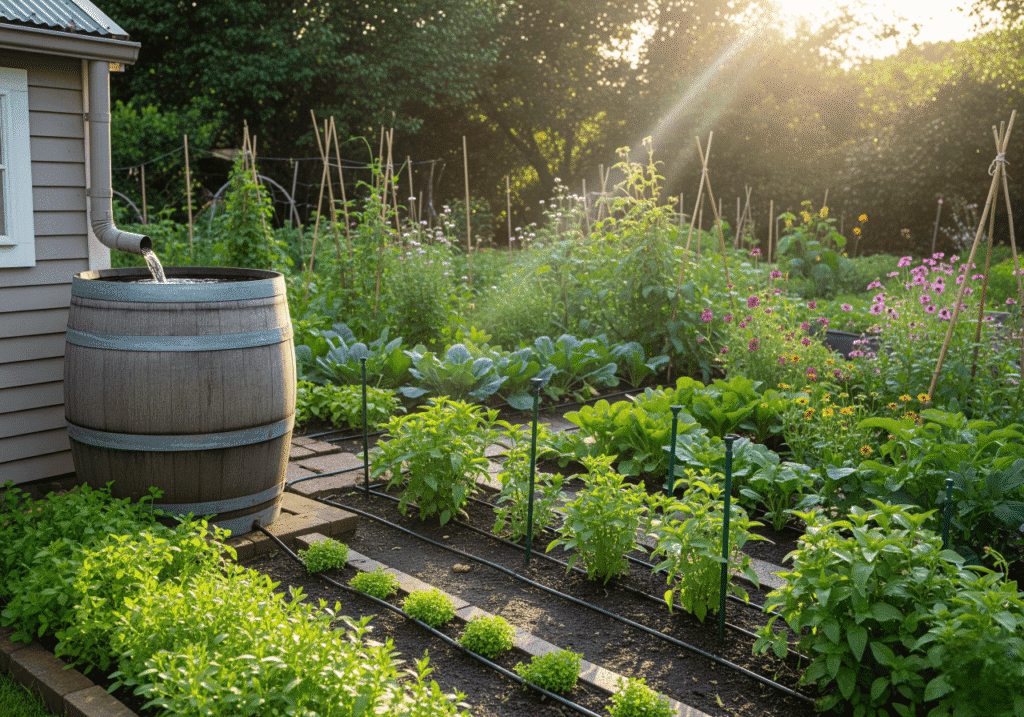
How we use water in our gardens can have a significant environmental impact. I realized the importance of efficient watering techniques when I noticed the amount of water my garden consumed daily. Techniques like drip irrigation systems and rainwater harvesting make a substantial difference. Drip irrigation ensures water reaches the plant roots directly, minimizing evaporation. Meanwhile, collecting rainwater provides a free, sustainable resource to hydrate your garden.
Integrated Pest Management
Dealing with pests sustainably was a challenge at first, but I learned that integrated pest management (IPM) is an effective approach. IPM combines various tactics, starting with the least harmful methods for controlling pest populations. Encouraging natural predators, such as ladybugs and birds, can significantly reduce the need for chemical pesticides. Planting certain herbs and flowers that repel pests naturally is another strategy I highly recommend.
Building Healthy Soil
Healthy soil is the foundation of a thriving sustainable garden. Over time, I discovered that maintaining soil health is about understanding its composition and needs. Regularly adding organic matter, such as leaf mold or aged manure, improves soil structure and fertility. Rotating crops and cultivating cover crops can help prevent soil depletion. A soil test can be a valuable tool for determining specific nutrient requirements and adapting your gardening practices accordingly.
1- Conduct a soil test.
2- Rotate crops annually.
3- Introduce cover crops.
4- Enhance with organic matter.
These practices contribute significantly to soil health, ultimately supporting all plant life in the garden.
Encouraging Biodiversity
Biodiversity has always fascinated me, and fostering it can have profound benefits for a sustainable garden. By attracting a wide range of species, you create a resilient ecosystem that’s better able to withstand pests and diseases. Diverse plantings provide varied food and habitats for wildlife. Each year, I try to introduce new species of plants and flowers to keep my garden thriving and ever-changing.
Sustainable Garden Design
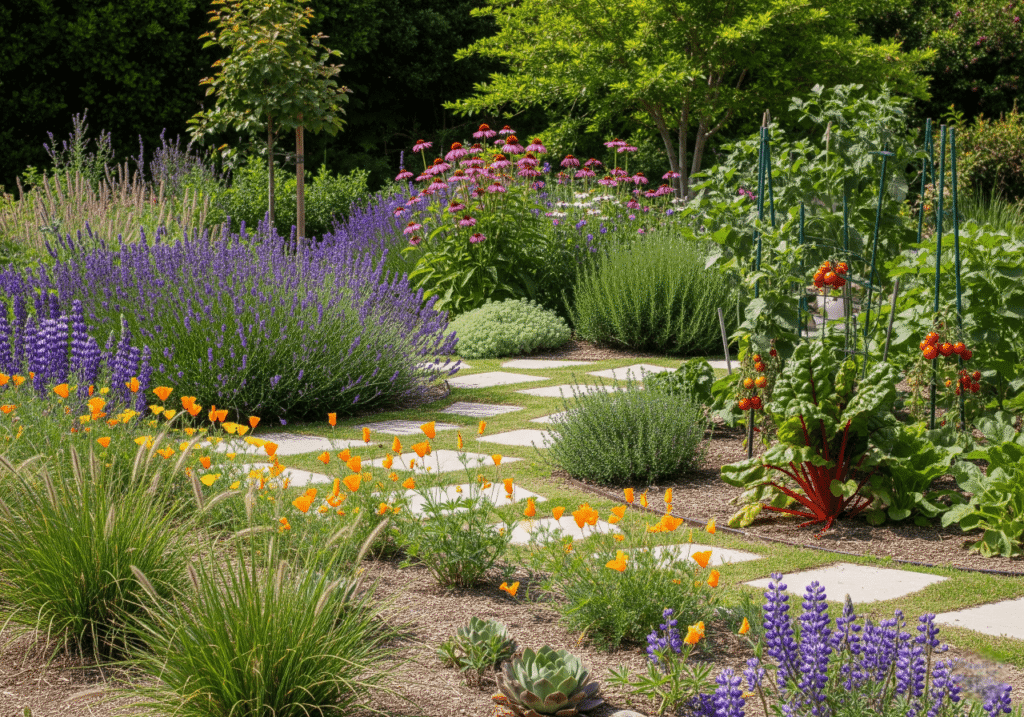
Thoughtful garden design is another crucial element of sustainable gardening. Planning can reduce water needs, improve plant health, and decrease labor over time. I approach garden design with an eye for both functionality and beauty. Consider incorporating native plants, perennials, and edible landscaping into your planning. Zoning your garden according to plant water needs can also optimize resource use.
Reducing Waste
Eliminating waste becomes an enjoyable and creative challenge as you move toward a sustainable garden. I regularly use recycled materials to build and maintain my garden structures, like compost bins and plant supports. Upcycling old items for garden use not only reduces waste but also adds character to your garden space.
FAQ – Common questions
What is the main goal of sustainable gardening?
The main goal is to create a garden that is environmentally friendly, using resources wisely and preserving biodiversity.
How do native plants contribute to sustainability?
Native plants require less water and chemicals, and they support local wildlife, making them more sustainable.
Can composting really make a difference?
Yes, composting reduces landfill waste and provides nutrient-rich material that enriches garden soil.
What are some simple efficient watering techniques?
Drip irrigation and rainwater harvesting are effective techniques that minimize water waste.
Why is biodiversity important in sustainable gardening?
Biodiversity creates a resilient ecosystem, helping control pests naturally and supporting a wide range of wildlife.
 As I continue to explore and implement sustainable gardening practices, I’ve seen first-hand the positive impact they have not only on my garden but also on the environment. By making incremental changes, from choosing native plants to composting and efficient water use, each of us can contribute to a more sustainable future. I invite you to join me on this journey and discover the joys and rewards of growing a greener garden at home. Remember, every small step counts, and together, we can cultivate a healthier planet.
 Grow More Than Just Plants: Explore These Outdoor Ideas
 Backyard Ideas to Create a Peaceful Retreat for Self-Care
Discover how your backyard can become your favorite self-care escape.
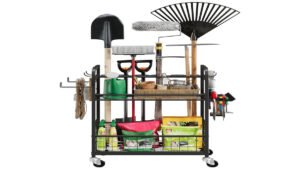
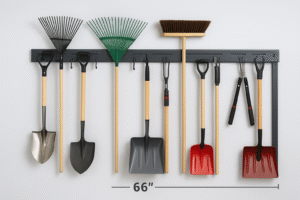
Smart Garden Tool Storage Ideas That Actually Work (Even in Small Spaces)
Keep your tools tidy and protected with clever solutions that save space.