






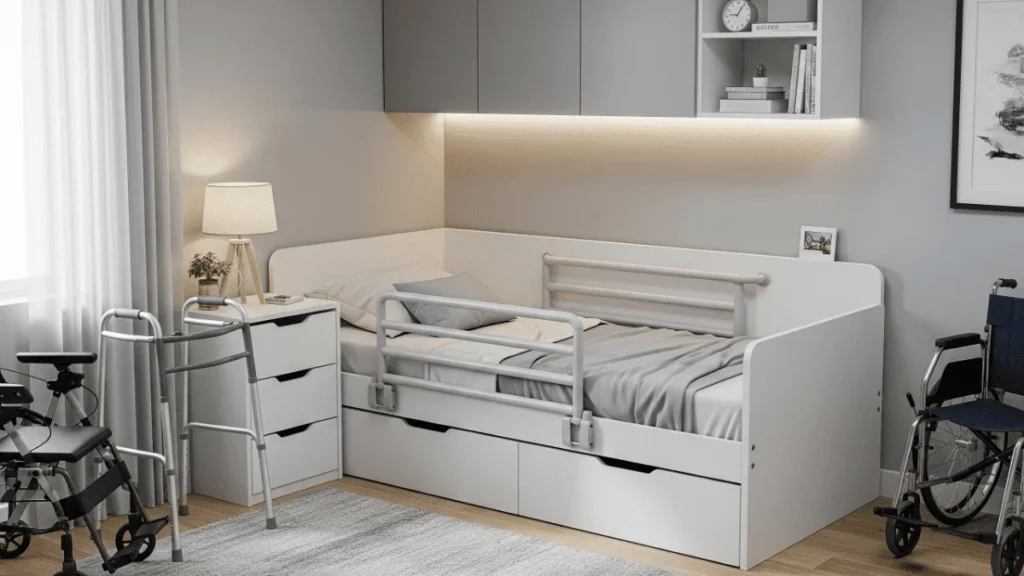
Embracing Change in Bedroom Design
Have you ever felt that your bedroom doesn’t quite fit your needs? In today’s fast-paced world, adaptability and comfort have become necessities, especially in our personal spaces. As cities grow and living spaces shrink, the challenge of designing a functional and convenient bedroom becomes ever more significant. Imagine trying to balance mobility, comfort, and style in a little nook you call your own. It’s not just about aesthetics anymore; it’s about creating a sanctuary that anticipates your every need and adapts to your lifestyle changes.
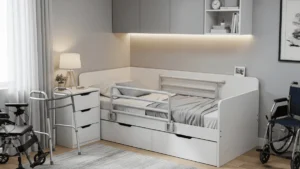
The notion of bedroom design has evolved substantially, driven by advances in technology and a deeper understanding of the diverse needs of individuals. What was once a static concept has now become a dynamic interplay between technology, ergonomics, and personal preference. This shift means that small bedrooms can no longer afford to be just aesthetically pleasing—they need to be smart, efficient, and adaptable to ensure comfort and mobility for everyone, regardless of age or ability.
The Core Principles of Adaptive Bedroom Design
Before delving into specific design ideas, it’s essential to understand the foundational principles that guide adaptive bedroom design. These principles ensure that any bedroom, regardless of its size, can be transformed into a supportive living space.
| Principle | Objective | Example |
|---|---|---|
| Adaptability | Create spaces that adjust to changing needs | Modular furniture that can be reconfigured |
| Accessibility | Ensure easy use for all, including those with mobility challenges | Wide door frames and step-free entries |
| Ergonomics | Promote comfort through well-designed support | Adjustable beds and ergonomic seating |
| Technology Integration | Incorporate smart technology to enhance living | Voice-activated lighting and temperature control |
| Aesthetic Flexibility | Blend style with function | Use of neutral palettes with bold accents |
These principles act as a roadmap, guiding homeowners and designers alike in creating spaces that are not only functional but also future-proof, ensuring long-term satisfaction and usability.
Small Bedroom? No Problem: Space-Saving Solutions
Living in a compact space often requires innovative problem-solving. Fortunately, small bedrooms provide the perfect canvas to test ingenious space-saving solutions.
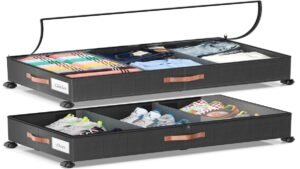
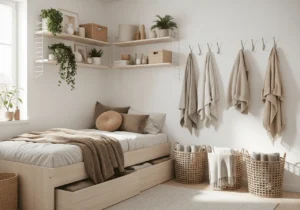
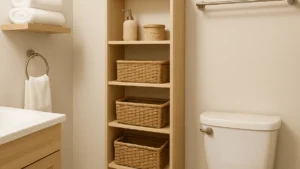
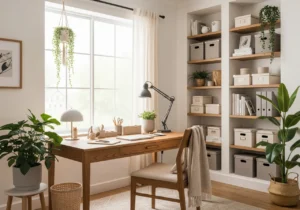
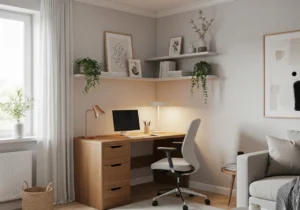
One of the first steps to creating a practical small bedroom is optimizing furniture choices. Foldable, multifunctional, and built-in furniture can significantly enhance space utilization. For instance, a bed that neatly folds into the wall or a desk that doubles up as a dressing table maximizes floor space without compromising functionality. Storage is another critical consideration. Utilizing vertical space with built-in shelves or choosing furniture with hidden storage capabilities can keep a room tidy and free of clutter.
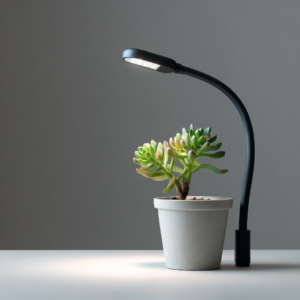
Lighting in small bedrooms also plays a crucial role. Natural light can make a room feel larger, but when that’s not an option, thoughtfully placed artificial lighting can foster a sense of spaciousness. Adjustable lighting allows for different moods and enhances practicality, making even the smallest room feel inviting and expansive.
“Adaptability is not imitation. It means power of resistance and assimilation.” – Mahatma Gandhi
Integrating Technology for a Smarter Bedroom
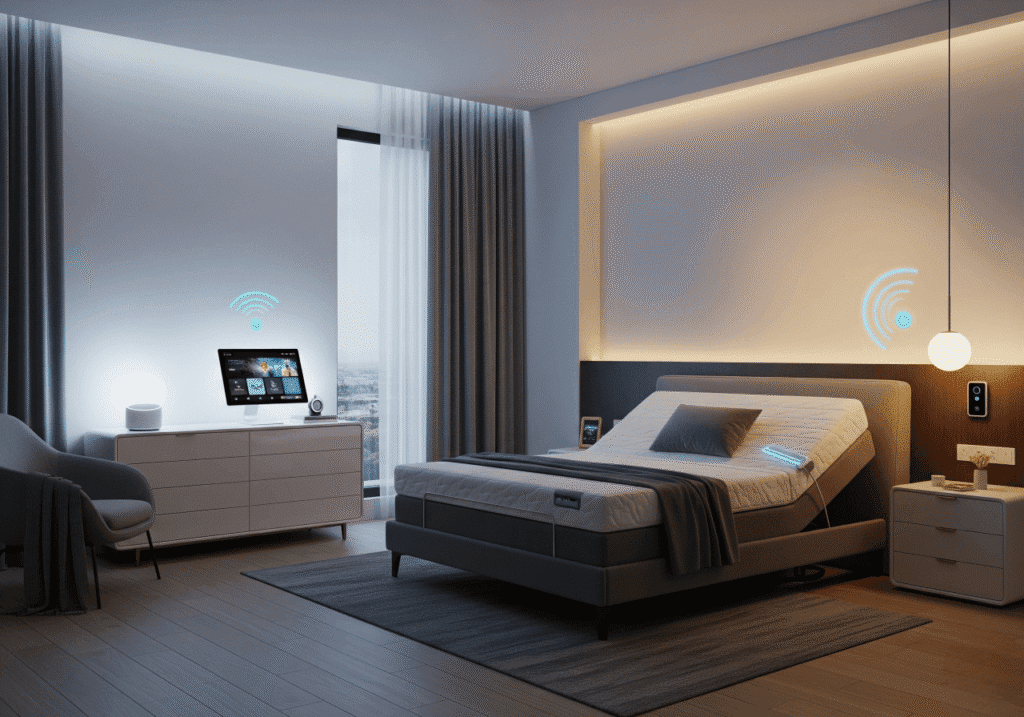
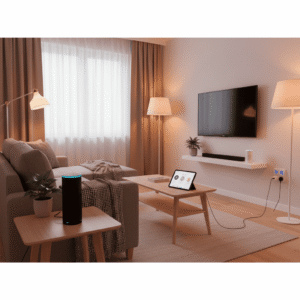
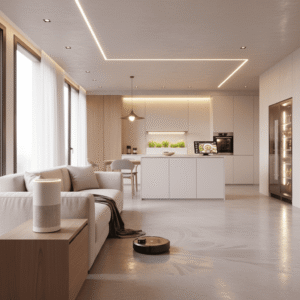
Advancements in technology have revolutionized how we interact with our living spaces. Smart bedrooms are not just a concept of the future; they are today’s reality. By incorporating smart technology, you can transform a simple room into a haven of comfort and convenience.
Consider smart lighting systems that adjust the brightness and color temperature based on the time of day or your preferences. These systems can be controlled via voice commands or smartphone apps, allowing effortless adjustments. Moreover, smart mattresses or adjustable beds can provide personalized comfort and track your sleeping patterns to enhance overall well-being.
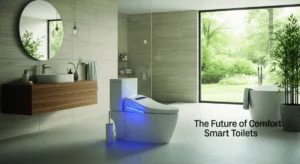
Home automation systems can also adjust temperature settings, control entertainment units, and even remind you of daily tasks. By linking these systems to smart assistants, you create a cohesive and intuitive environment that caters to your every need, making your bedroom a true reflection of modern living.
Customization: Making Your Space Truly Yours
The beauty of adaptive bedroom design lies in its inherent flexibility. Personalization is key to ensuring your bedroom reflects your tastes and lifestyle while still serving as a functional space.
1- Choose color schemes that not only appeal to your sense of style but also create the desired ambiance. Softer hues can evoke calmness, while bolder colors can add character and drama to your room’s aesthetic.
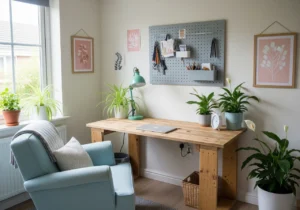
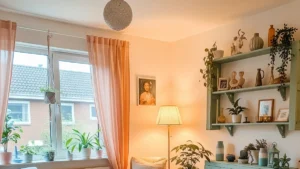
2- Incorporate personal elements through artwork, textiles, and decor. These details can make a small space feel warm and inviting, and they offer an opportunity to express your individuality.
3- Consider practical yet stylish textiles that add texture and warmth to the room. Opt for materials that are easy to clean and maintain, especially if you have specific mobility needs that require frequent adjustments to your living space.
4- When selecting furniture, consider pieces that not only fit the space but also serve multiple purposes. This choice allows for greater flexibility and functionality, enabling the room to grow and change with your needs.
Exploring Decor Styles for Small Bedrooms
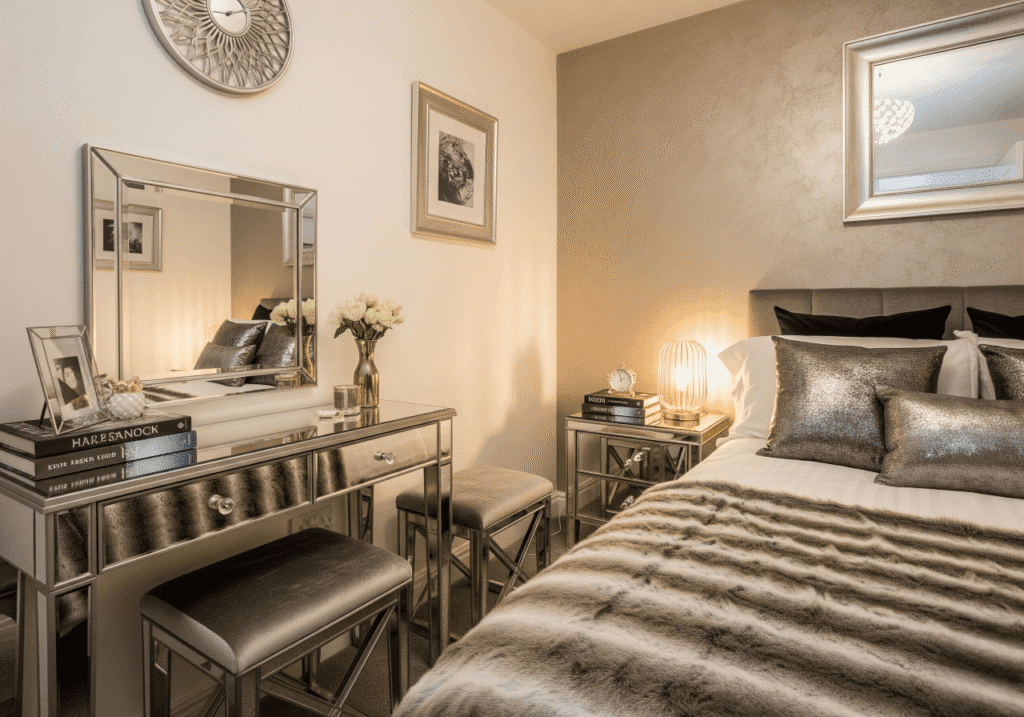
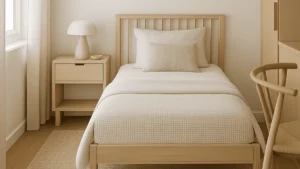
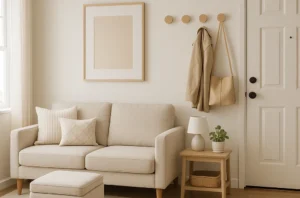
Choosing a decor style that suits your personality and fits the constraints of a small bedroom can be a rewarding endeavor. Minimalism is a popular choice for small spaces, as it emphasizes simplicity and functionality. By reducing clutter and focusing on clean lines and essential pieces, this style maximizes the sense of space and comfort.
Alternatively, a Scandinavian style can offer warmth and coziness with its focus on natural materials, neutral colors, and light fixtures. This style combines simplicity with charm, creating a serene and welcoming environment.
For those wanting a touch of luxury, a modern glam style can infuse a small bedroom with opulence without overwhelming the space. Think mirrored furniture, plush textiles, and metallic accents that catch the light—these elements can add sophisticated depth to your design without sacrificing functionality.
Sustainability in Bedroom Design
Incorporating sustainability into bedroom design not only benefits the environment but also enhances the health and well-being of the occupants. When planning an adaptive bedroom, consider using eco-friendly materials and energy-efficient technologies.
Bamboo flooring, recycled wood furniture, and organic textiles are excellent sustainable choices that do not compromise style or function. Furthermore, eco-friendly paint with low volatile organic compounds (VOCs) can improve indoor air quality, essential for a space intended for rest and rejuvenation.
Energy-efficient appliances, such as LED lighting and smart home devices that reduce electricity consumption, contribute to a sustainable living environment. Adopting these elements into the design ensures the bedroom is environmentally friendly and aligned with modern values of conservation and responsibility.
FAQ – Common questions
Why is adaptiveness important in bedroom design?
Adaptiveness ensures that your living space can meet your evolving needs and preferences, enhancing comfort and usability.
How can I make my small bedroom appear larger?
Utilize natural light, a bright color palette, mirrors, and multifunctional furniture to create an illusion of more space.
What are smart bedroom technologies?
These include controllable lighting, smart mattresses, and home automation systems for environmental control and convenience.
How does bedroom design impact sleep quality?
A well-designed bedroom positively affects sleep by creating a peaceful, comfortable environment conducive to rest.
Can adaptive design benefit those with mobility challenges?
Yes, adaptive designs accommodate various needs, allowing for easier access and movement within the space.
The Future of Bedroom Comfort and Mobility
Adaptive bedroom design is more than just a trend—it’s a necessary evolution in how we perceive and utilize our personal spaces. By incorporating elements of adaptability, technology, and sustainability, we can transform even the smallest bedroom into a sanctuary of comfort and efficiency. This holistic approach ensures that these spaces are not just aesthetically pleasing but also practical and accessible for everyone.
The modern bedroom should be a dynamic, evolving space that grows with us, meeting our changing needs without sacrificing style or comfort. As technologies advance and our understanding of personal space deepens, the possibilities for creating truly personalized and adaptive bedrooms are endless. Embrace these changes to unlock the full potential of your living space, merging functionality with personal expression to create a room that is truly your own.
- Thinking beyond the bedroom? See how Childproof Bathroom Ideas can support family safety.
- Looking for efficient storage that complements accessibility? Check out Creative Storage Ideas.
Adapt your space with care and purpose—continue building a home that works for everyone.