



 Reading time: 5 minutes
Maximizing Tiny Spaces: The Rise of Small Home Offices
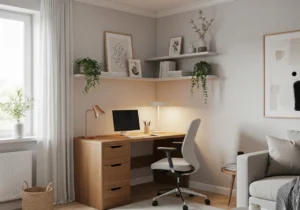
Have you ever found yourself squeezed into a corner of a room, trying to craft the perfect workspace out of whatever space you have left over? If so, you’re not alone. With the rise of remote working, many people are confronting the challenge of designing efficient and comfortable home offices in small spaces. Often, it’s about much more than just setting up a desk and chair; it involves careful planning of lighting, storage, and even aesthetics to truly maximize what you’ve got.
The drive to create functional workspaces in small areas stems largely from necessity. As homes have adapted to more multifunctional living arrangements, nooks and crannies that were once overlooked are now crucial. The art of designing a small home office is not so much about the size of the area as it is about what you do with it.
Key Elements of a Functional Small Home Office
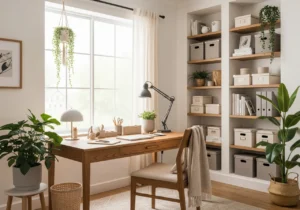
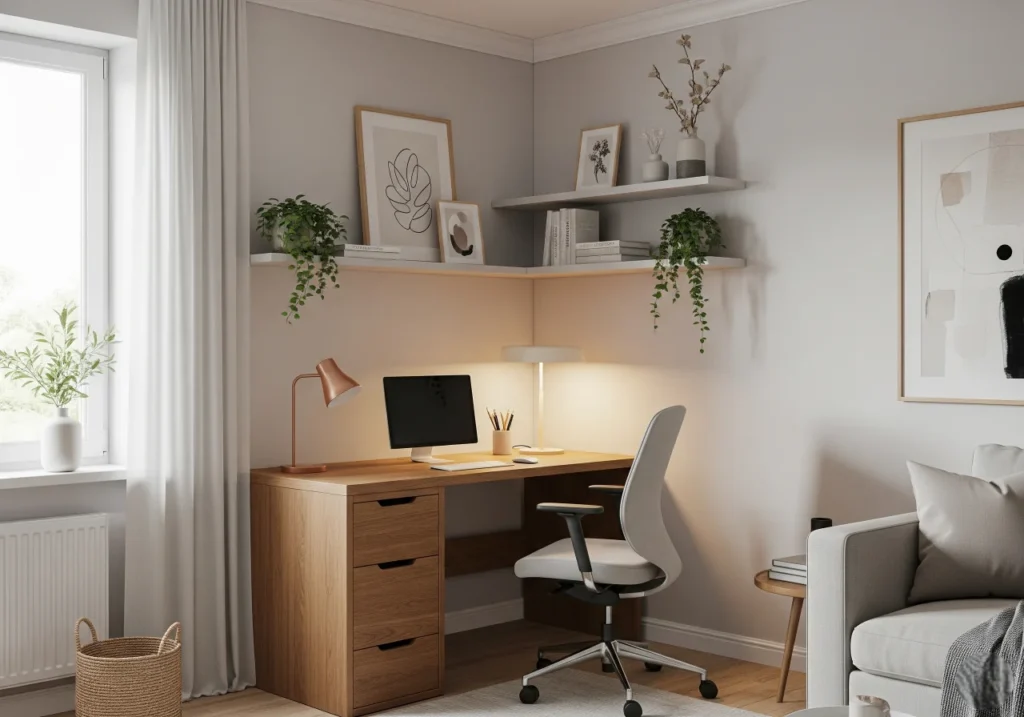
Designing a small home office involves a strategic approach. More often than not, it requires integrating both style and functionality in a limited space. Here’s how you can achieve this balance:
| Element | Description | Considerations |
|---|---|---|
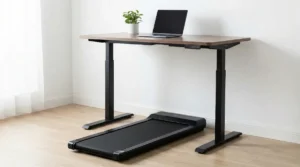
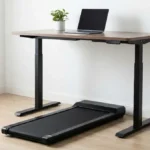
| Desk | The central piece of any office. Needs to be functional yet compact. | Folding desks or wall-mounted options. |
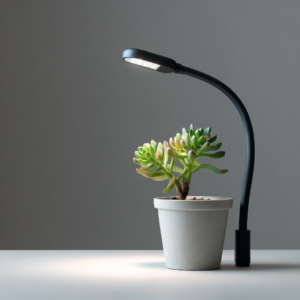
| Lighting | Proper lighting prevents eye strain and boosts productivity. | Natural light or adjustable lamps. |
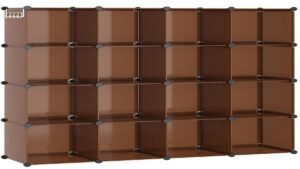
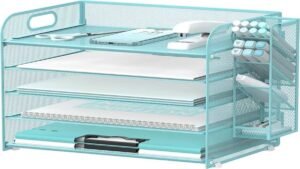
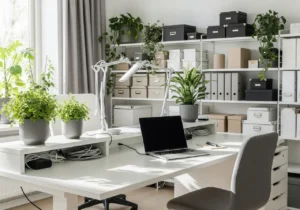
| Storage | Essential to prevent clutter and maintain organization. | Vertical shelves or under-desk storage. |
| Seating | Comfort is key, but space-saving is crucial. | Ergonomic folding chairs. |
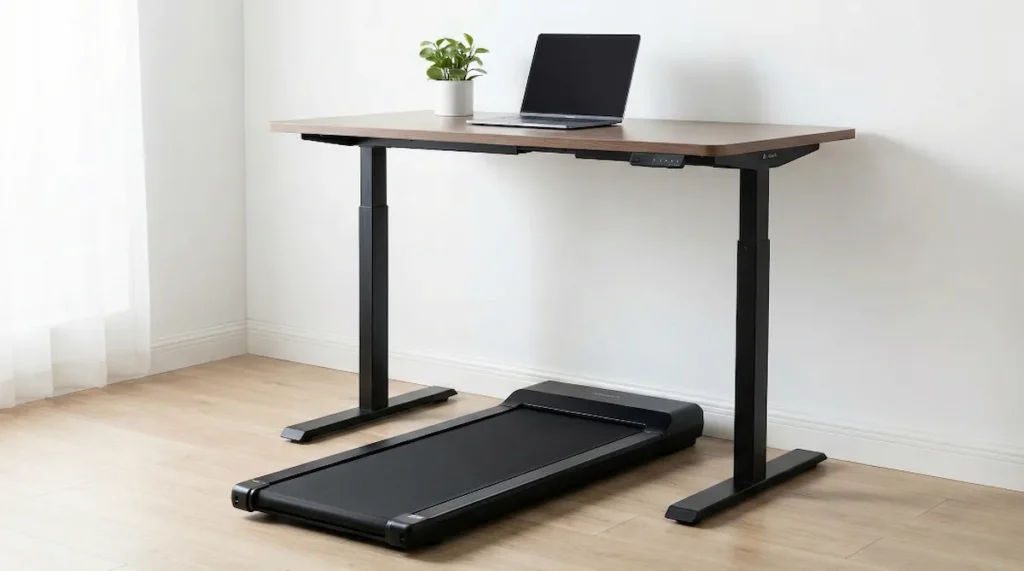
Stylish and practical products are now more available than ever, with many designers creating pieces targeted specifically at small spaces. Desks that fold into the wall or tables that do double duty as dining and work areas are excellent options to consider.
The Impact of Outdoors-Inspired Office Spaces
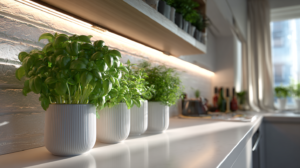
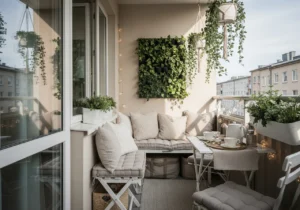
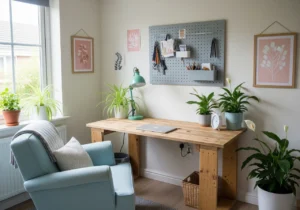
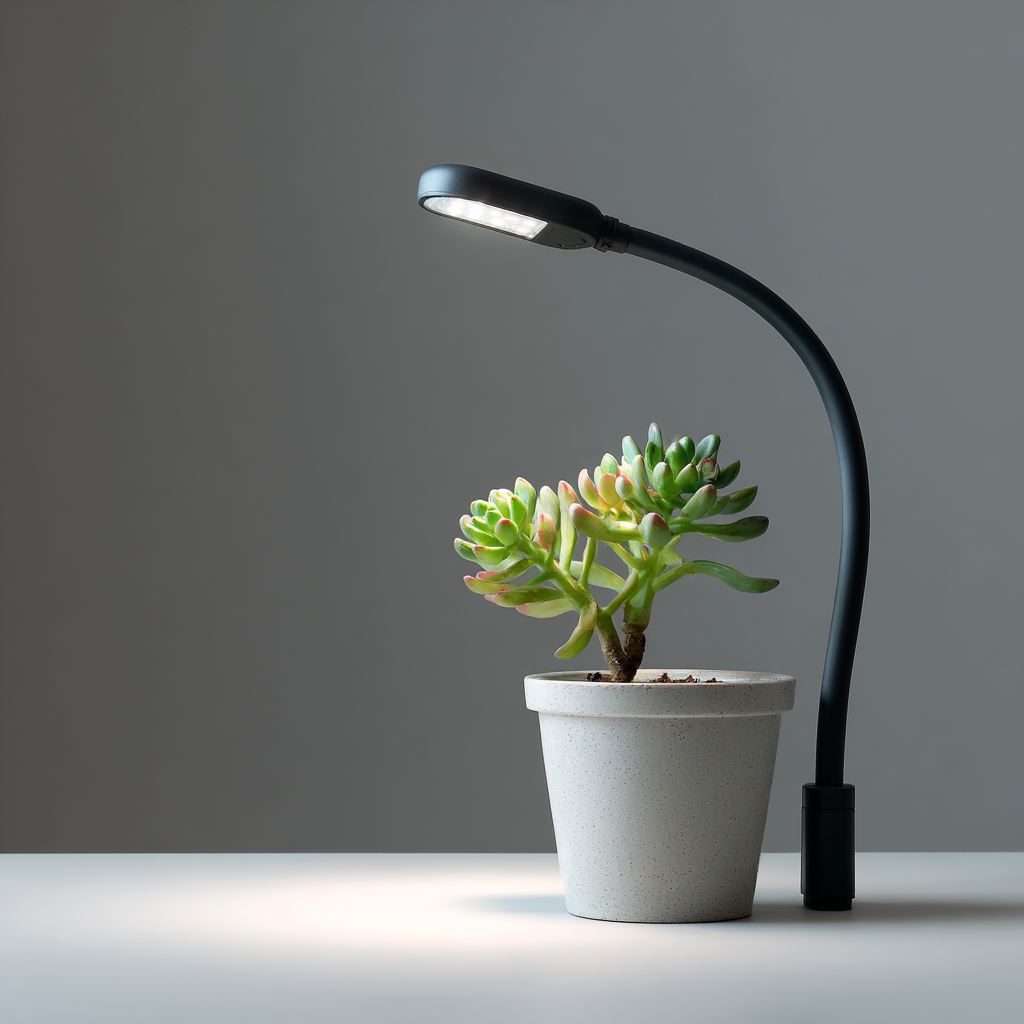
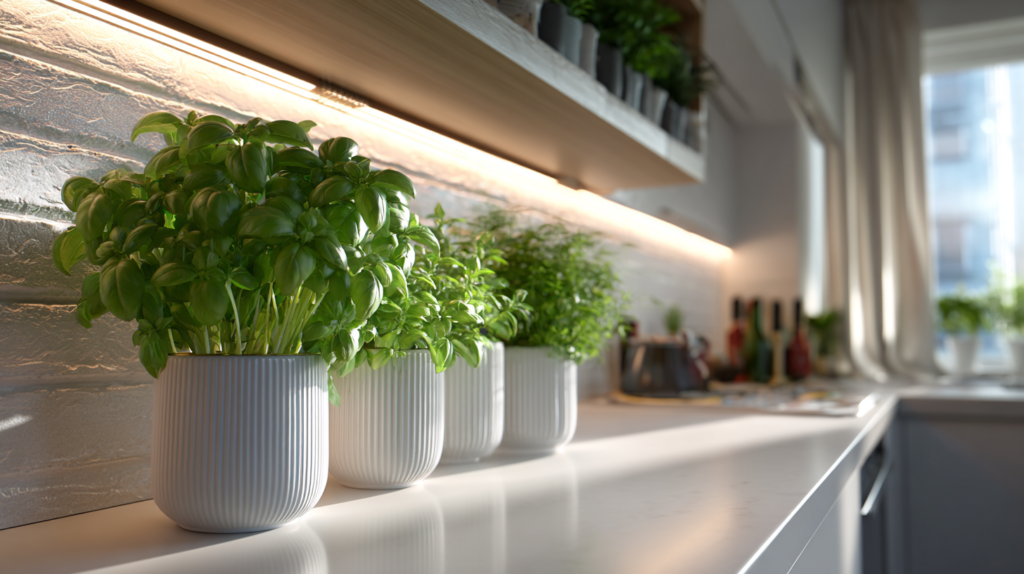
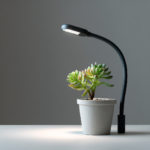
Incorporating outdoor elements into your office can have surprising benefits. Plants, for instance, can revitalize a small space by introducing elements of nature that inherently make a room feel larger and more comforting. Small succulents or hanging plants are ideal for tiny offices as they require minimal care and can fit almost anywhere.
Given that most small home offices lack an abundance of windows, creating the illusion of more light and space is an essential part of the design process. Mirrors can be strategically placed to reflect light and give a sense of expanded depth, transforming any confined office area.
“The primary reason for reinventing your workspace shouldn’t be space but efficiency and ambition.”
Embracing Minimalism for Maximum Impact
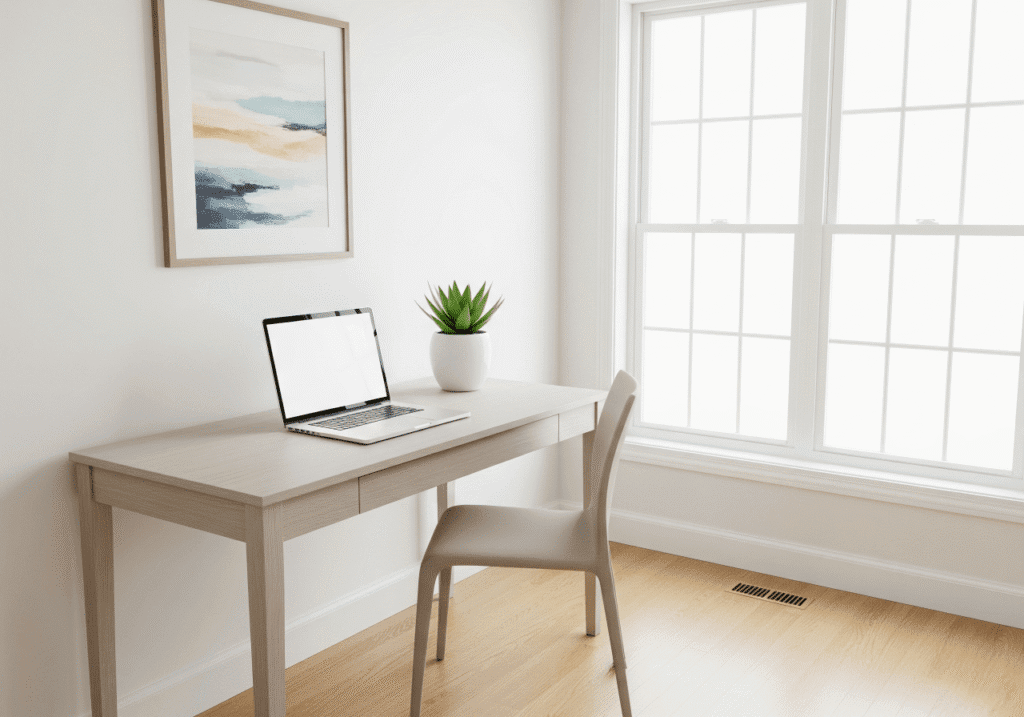
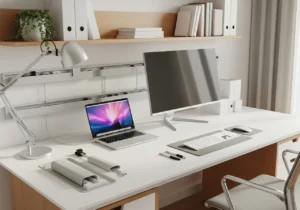
The minimalist trend, with its roots in simplicity, offers a perfect approach to small home offices. By reducing clutter and focusing on functionality, minimalism allows you to concentrate more on productivity and less on distractions.
When working within a small space, every item should serve a purpose or bring joy. This approach echoes Marie Kondo’s famous tidying methodology, which helps precisely prioritize what’s essential. Your desk should be free from non-essential items while your walls, if adorned, might feature one or two inspirational pieces rather than an overwhelming amount.
Conversion Spaces: Multi-use Areas in Homes
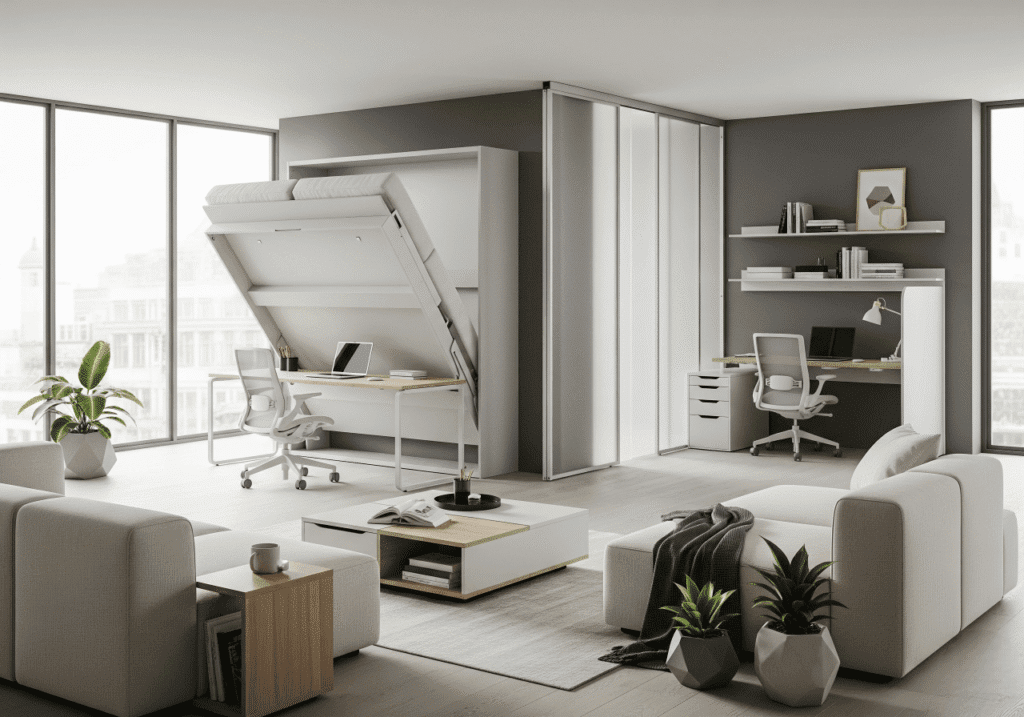
It might seem daunting, but many home spaces can serve double or even triple duty. A dining table by day can become a conference space in the evening. Bedrooms often double as offices when the doors are closed, so it’s essential these spaces transform quickly and seamlessly.
To maximize functionality, modular furniture and portable partitions that can be adjusted or moved with ease make an excellent option for such dual-purpose spaces. Moreover, portable file cabinets that slide easily into a closet can keep important documents tucked away without adding to the clutter.
Frequently Asked Questions about Small Home Offices
What is the best small home office setup for productivity?
A setup that includes a comfortable chair, proper lighting, and uncluttered space fosters productivity. Consider ergonomics and opt for space-efficient furniture.
How can I maximize storage in a small office space?
Utilize vertical space with wall-mounted shelves or pegboards, and choose furniture that offers built-in storage solutions. Compact multi-functional furniture can also save space.
Is it necessary to have natural light in a home office?
While natural light is ideal, it’s not always possible. Supplement with adjustable, warm lighting to prevent eye strain and create an inviting atmosphere.
How can plants influence a small office space?
Plants can improve air quality and add a touch of nature, making the space more inviting and conducive to concentration and productivity.
What are some quick ways to change the mood of my small office?
Adding artwork, adjusting lighting, or incorporating different textures can quickly change the ambiance and refresh your work area.
Thinking Creatively About Small Spaces
 Designing a small home office requires creativity and resourcefulness. The secret to success lies not only in organization and planning but also in the willingness to innovate with what you have. A well-thought-out small office can offer not just a place to work, but a haven of productivity and inspiration. Whether you’re installing a sleek fold-out desk or utilizing sunlight-reflecting mirrors, these strategies can help craft a space that’s personalized and efficient. Remember, the perfect workspace is one that meets your needs and inspires your best work, no matter the size.
 Big Ideas for Small Spaces:
 Home Office Setup Ideas: 10 Smart Ways to Create a Productive and Organized Workspace
Discover practical ways to create a functional home office no matter how small your space is.
Affordable Office Decor: Creative and Budget-Friendly Upgrade Ideas
Turn your tiny workspace into a stylish one without breaking the bank.