







The Changing Face of Kitchens
Today, smart kitchen concepts are reshaping how we approach cooking and cleaning, blending innovation with convenience to transform our daily culinary tasks. Have you ever wondered how technology could revolutionize your kitchen experience? As someone who loves to explore the latest tech trends, you’re likely familiar with how technology has streamlined various aspects of life. But in the kitchen, this transformation is particularly exciting. From intelligent appliances to smart cleaning solutions, let’s delve into how these advancements are making life easier and more efficient.
Smart Appliances: The Heart of a Connected Kitchen
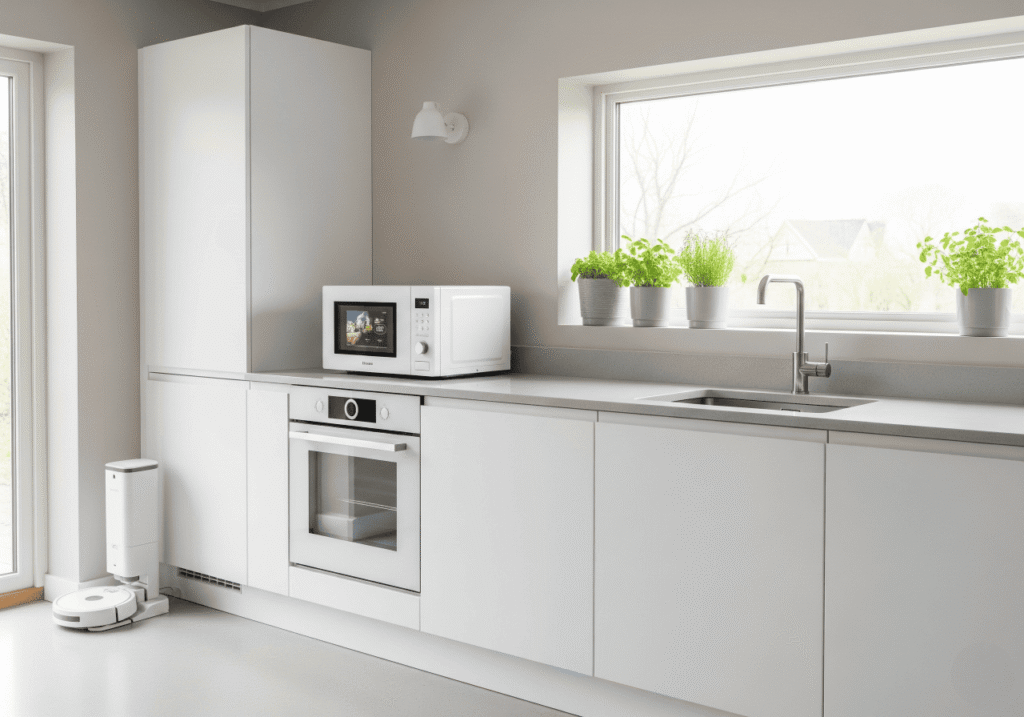
Smart kitchens are anchored by innovative appliances that communicate and operate with a level of intelligence previously unimaginable. These appliances range from refrigerators with touch screens and internal cameras to ovens that can be controlled via smartphone apps. The ability to monitor and adjust cooking temperatures remotely not only provides convenience but also ensures energy efficiency and food preservation.
| Appliance | Feature | Benefit |
|---|---|---|
| Smart Refrigerator | Internal Cameras | Check contents remotely |
| Smart Oven | App Control | Remote operation and monitoring |
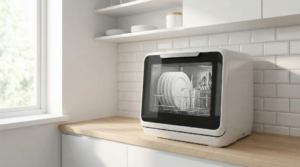
| Smart Dishwasher | Sensing Technology | Automatic cycle adjustment |
| Smart Cooktop | Temperature Precision | Consistent cooking results |
These innovations are not just about adding bells and whistles to home appliances; they offer practical solutions that address real consumer needs. Imagine receiving a notification on your phone that your oven has preheated or your dishwasher has finished its cycle.
Integrating Smart Assistants: Seamless Command and Control
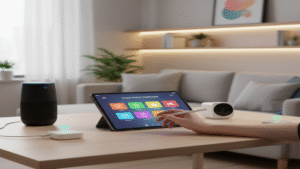
In the modern kitchen, smart assistants such as Amazon Alexa, Google Assistant, and Apple’s Siri play pivotal roles. These virtual assistants are now capable of integrating with various kitchen devices, allowing hands-free operation through voice commands. Whether you want to set a timer, convert measurement units, or start a playlist, smart assistants simplify the process while you’re busy cooking.
“The kitchen of the future is not just a dream; it’s an integration of technology with everyday convenience, making life simpler one task at a time.”
The capabilities don’t end there. Smart assistants can also offer recipes and suggest meal ideas based on what’s available in your pantry, making them invaluable during meal preparation.
The Magic of Smart Cleaning Solutions
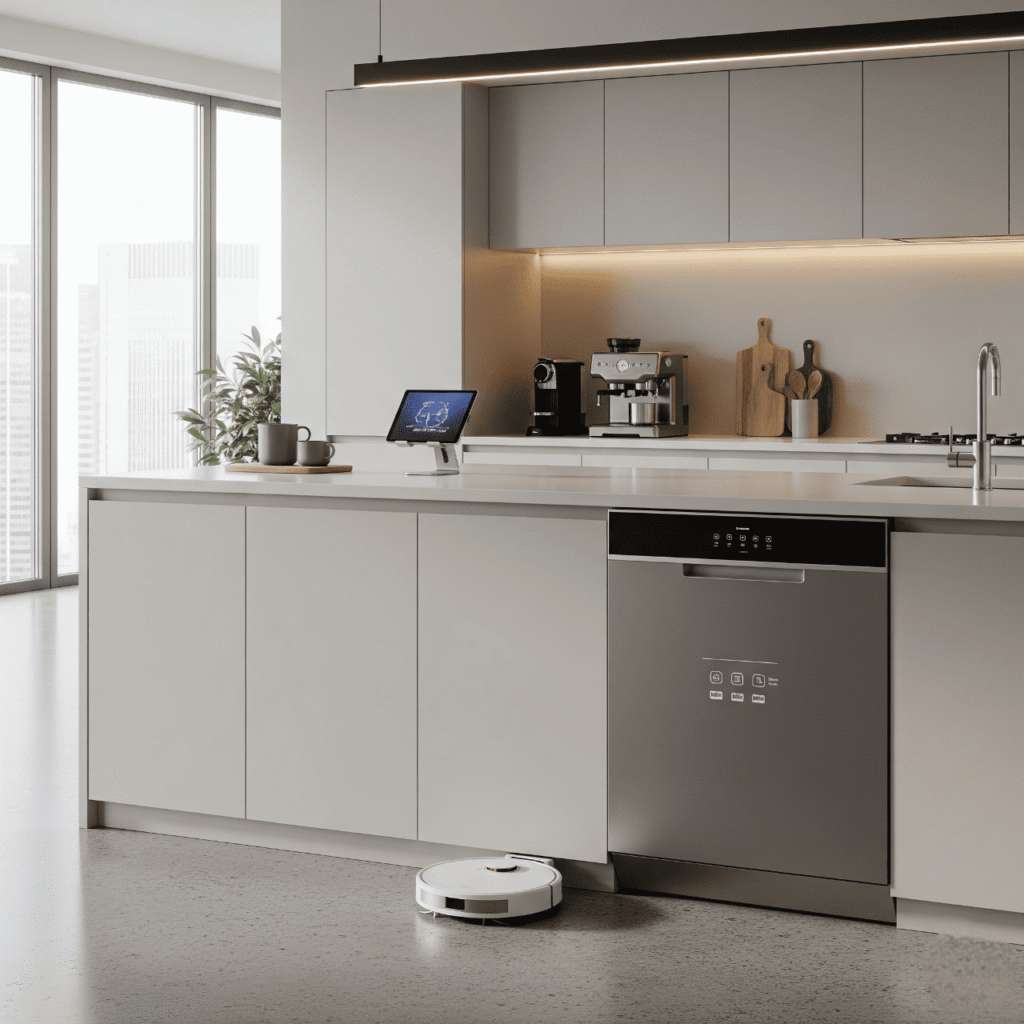
Cleaning the kitchen is often seen as a chore, but smart cleaning technologies are changing that narrative. Robotic vacuum cleaners and mop systems have become more efficient, capable of navigating complex floor plans and even integrating with smart home ecosystems. These devices ensure that your kitchen floors stay clean with minimal effort.
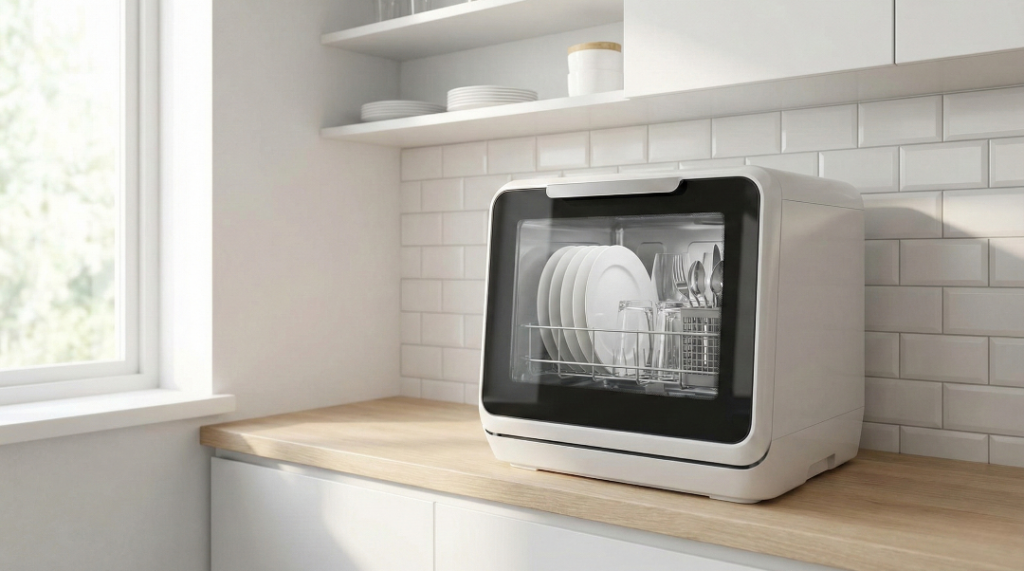
Adding to this, smart dishwashers use sensors to determine the level of dirtiness and adjust the wash cycles accordingly, saving water and energy. Such advancements demonstrate how technology can elevate the mundane aspects of kitchen maintenance to new heights.
Energy Efficiency Meets Innovation
The push for energy efficiency is no longer optional; it’s a necessity. Smart kitchen appliances are designed with sustainability in mind, offering energy-saving modes that not only reduce your carbon footprint but also save money on utility bills. Using apps, homeowners can monitor and adjust energy usage in real-time, making informed decisions about their consumption habits.
1- Smart fridges regulate temperature to maximize efficiency.
2- Smart lighting solutions adjust based on time of day or occupancy.
3- Energy-efficient cooktops only heat areas in use.
These small steps collectively contribute to a greener and more sustainable kitchen environment.
The Evolution of Recipe Management
Recipe management has undergone a significant transformation with the advent of smart kitchens. Digital recipe platforms that can be accessed via smart appliances or tablets have replaced traditional cookbooks. These platforms not only store a multitude of recipes but can also suggest dishes based on your dietary preferences and available ingredients. This interactivity enriches the cooking experience, fostering creativity and exploration in the kitchen.
Enhanced Safety with Smart Technology
Smart technology has also made kitchens safer. With features like automatic shutoff and real-time alerts, homeowners can prevent accidents and avoid hazards. Smoke detectors and smart faucets equipped with sensors ensure that fires and floods are prevented or quickly managed. The peace of mind these technologies offer cannot be overstated, making smart kitchens not only a matter of convenience but also of safety.
Customization and Personalization of Kitchen Experiences
One of the remarkable aspects of smart technology is how it enables customization and personalization. Smart appliances often come with customizable modes that allow homeowners to tailor functions to their specific needs. Whether it’s adjusting the brightness of smart lights or setting unique coffee brewing preferences, these personal touches enhance the overall satisfaction of using smart kitchen gadgets.
Smart Kitchens as a Hub for Wellness
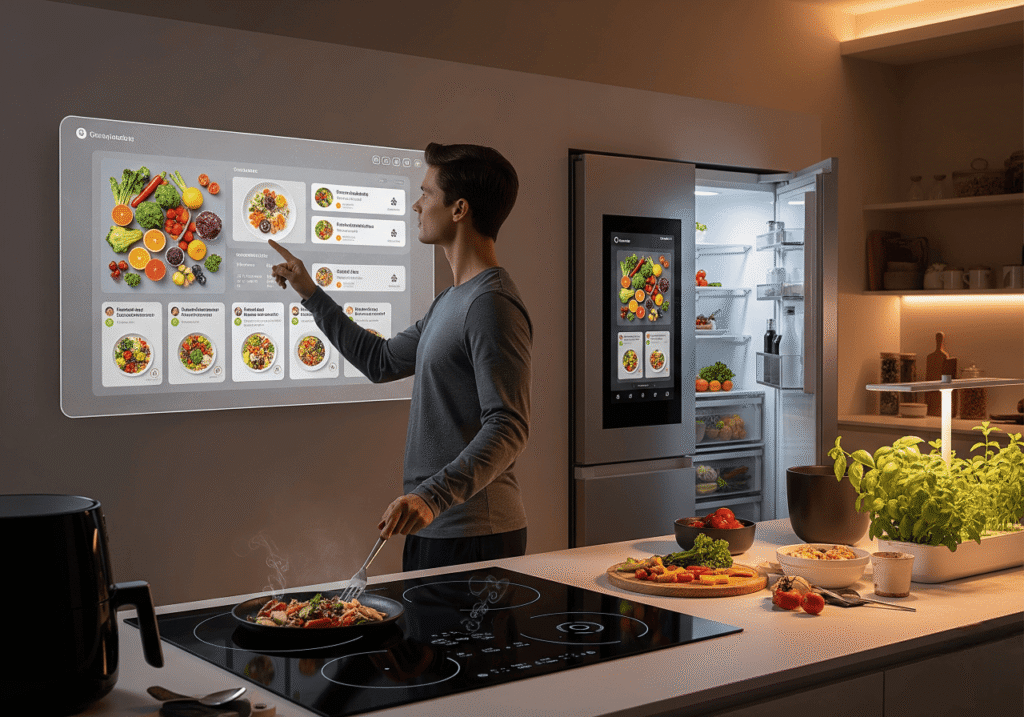
Beyond functionality, smart kitchens are emerging as hubs for health and wellness. Smart appliances can help monitor nutritional intake, recommend balanced meals, and even suggest health tips. The integration of wellness tracking within the kitchen space promotes healthier living, guiding users toward choices that align with their health goals.
FAQ – Common Questions
What makes a kitchen “smart”?
A smart kitchen integrates technology through connected devices, enabling remote control and efficiency in cooking and cleaning tasks.
How do smart appliances save energy?
Smart appliances often include energy-efficient modes and allow for real-time monitoring and adjustments to reduce unnecessary power consumption.
Can smart kitchens help with diet and nutrition?
Yes, smart kitchens can assist in tracking nutritional intake and suggesting recipes that align with dietary needs and preferences.
How do smart appliances save energy?
Smart appliances often include energy-efficient modes and allow for real-time monitoring and adjustments to reduce unnecessary power consumption.
Can smart kitchens help with diet and nutrition?
Yes, smart kitchens can assist in tracking nutritional intake and suggesting recipes that align with dietary needs and preferences.
Are smart kitchens safe?
Smart kitchens enhance safety with features like automatic shutoff and hazard alerts, significantly reducing the risk of accidents.
Do I need special skills to use a smart kitchen?
No special skills are required; smart kitchens are user-friendly, with intuitive interfaces and voice-command capabilities for ease of use.
What is the cost of setting up a smart kitchen?
The cost varies depending on the number and type of smart devices, but many devices are becoming increasingly affordable as technology advances.
The Future is Now
The integration of smart technology in kitchens is not simply about gadgets and connectivity; it represents a shift towards a more efficient, safe, and personalized culinary experience. By embracing these innovations, homeowners can enjoy a kitchen environment that not only meets their practical needs but also supports their lifestyle goals and preferences.
With technology advancing rapidly, the possibilities for smart kitchens continue to expand, promising even more exciting developments in the near future. As we move forward, the smart kitchen will play an increasingly vital role in our daily lives, shaping how we interact with food and our surroundings.
🌟 Ready to Explore More Smart Kitchen Solutions?
👉 [Robot Mop: How Smart Mops Save Time in the Kitchen and Beyond]
Discover how these devices keep your floors spotless with minimal effort.
👉 [Countertop Microwave: Compact & Powerful Options for Small Kitchens]
Save space and cook faster with the perfect microwave for your kitchen.
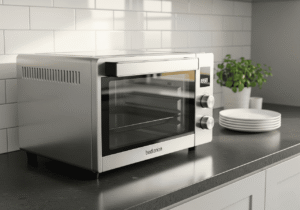
👉 [Countertop Oven: Space-Saving Cooking for Modern Kitchens]
Upgrade your cooking with versatile ovens designed for small spaces.