


 Reading time: 6 minutes.
Have you ever walked into a room and stepped on one of those tiny, yet incredibly painful, toy pieces lying around? If so, you’re not alone. Parents everywhere grapple with the never-ending challenge of keeping toys organized and ensuring a tidy home. The chaos that toys can bring often feels like a natural disaster in action. In this article, I’ll share my journey towards smarter toy storage and more kid-friendly organization practices that collectively changed my living space, and might just do the same for yours.
The Art of Choosing Multi-Functional Furniture
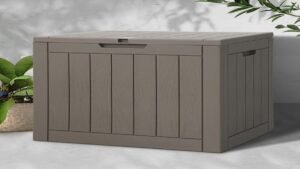
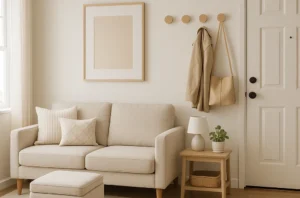
When it comes to smart toy storage, versatile furniture is your best friend. In my quest for an organized home, I discovered that multi-functional pieces not only save space but also serve as hidden storage solutions. For instance, consider an ottoman that doubles as a storage unit or a coffee table with built-in drawers. These items blend seamlessly with your decor while offering ample space to hide away toys when they aren’t in use.
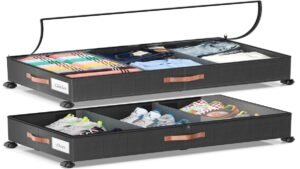
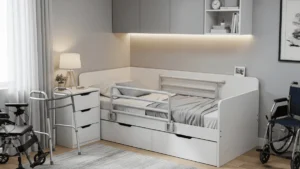
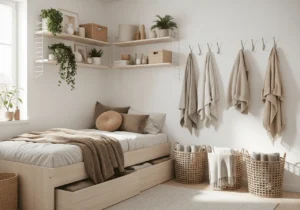
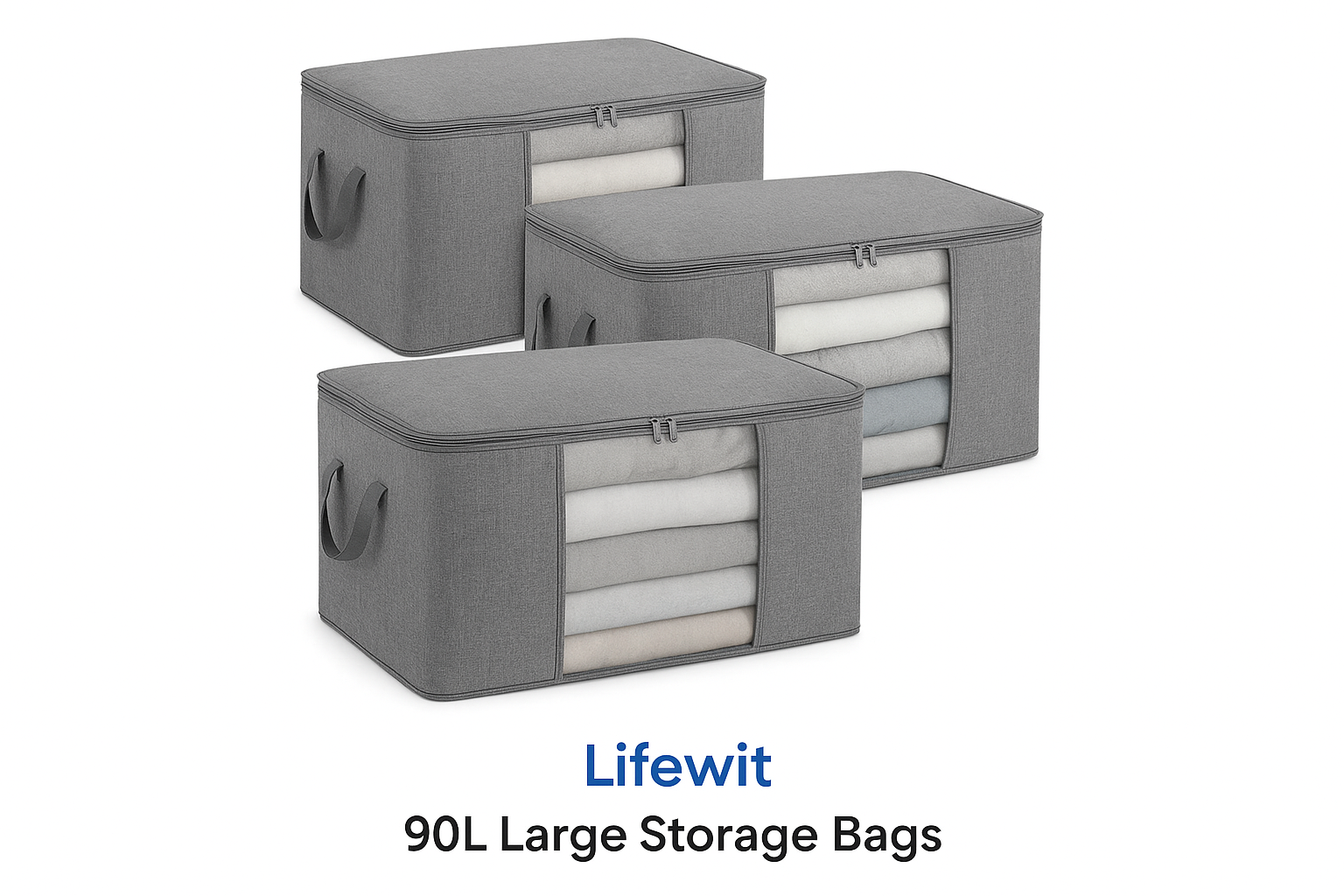
Another brilliant solution I found is the use of beds with pull-out drawers underneath. These are perfect for storing seasonal toys or items my kids rarely use without cluttering the bedroom. Investing in high-quality, multi-use furniture has been a game-changer, ensuring our home remains tidy while keeping the essentials within reach.
Strategic Toy Rotation Schedule
Toy overload can be overwhelming, both visually and emotionally. To address this, I implemented a toy rotation schedule. This approach keeps my children engaged without overwhelming them, as only a selection of toys is out at any given time.
| Week | Toys in Rotation | Toys Stored |
|---|---|---|
| 1 | Building Blocks, Stuffed Animals | Puzzles, Art Supplies |
| 2 | Puzzles, Art Supplies | Building Blocks, Stuffed Animals |
| 3 | Outdoor Toys, Dress-Up Clothes | Indoor Toys, Educational Games |
| 4 | Indoor Toys, Educational Games | Outdoor Toys, Dress-Up Clothes |
The toy rotation strategy also lessens wear and tear. It means toys are newer to my children, keeping the excitement alive. This plan has fostered a renewed interest in playthings that might otherwise sit forgotten.
The Importance of Accessible Storage for Kids
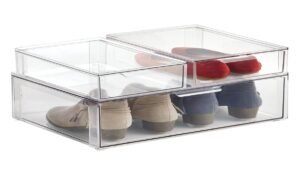
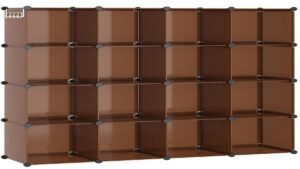
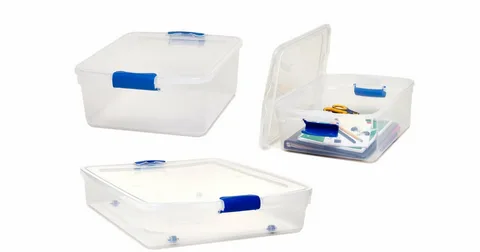
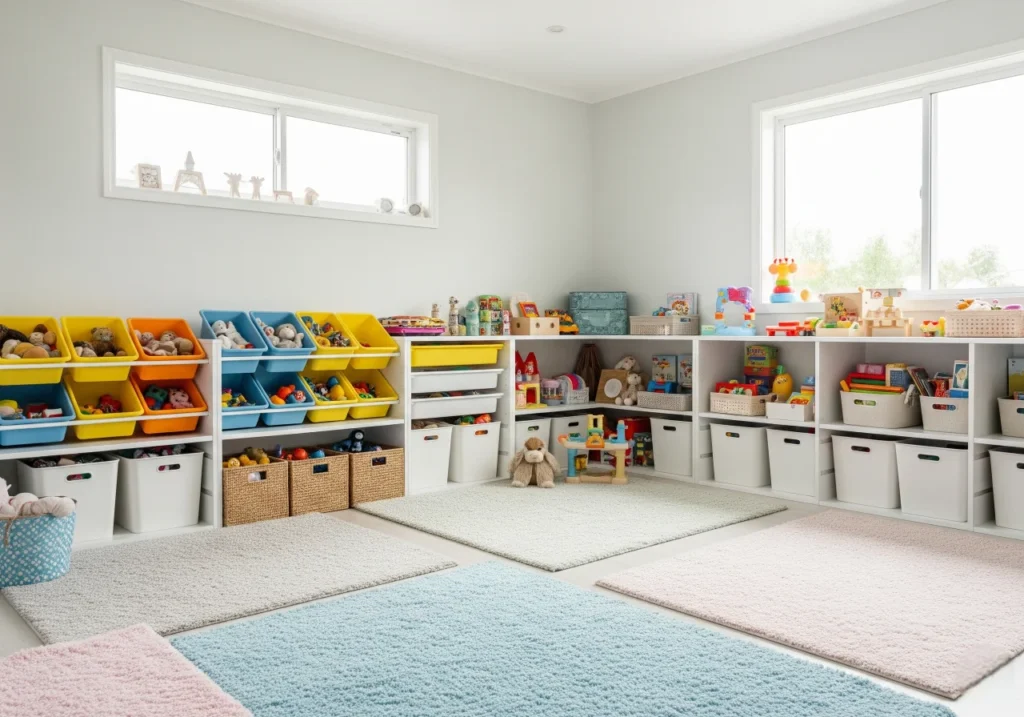
Creating accessible storage is a key part of organizing toys so children can help out. After all, organization is a family effort. I found that having low shelves or bins made it easy for my children to take responsibility for their belongings. Also, clear containers allow kids to see what’s inside, reducing the time spent searching for a particular toy.
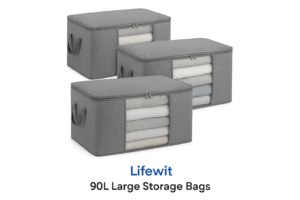
Storage bins are often the unsung heroes of tidiness. I labeled each bin with pictures and words that correspond to the toys inside, making it easy for my children to identify where things belong. This simple act of empowering my kids to clean up after themselves has developed their independence and ownership over their spaces.
“Teach a child to organize their environment, and they’ll carry that skill with them for life.” – Unknown
The Role of Decluttering in Maintaining Order
Decluttering regularly is a fundamental step in maintaining a tidy home. Over time, toys seem to multiply, and sorting through them becomes paramount. I made it a habit to declutter every few months. It helped in identifying toys my kids have outgrown or that are broken.
1- Declutter with your kids to teach decision-making.
2- Donate toys in good condition to teach generosity.
3- Recycle broken or incomplete toys responsibly.
4- Keep sentimental items but store them separately.
This process not only clears physical space but also brings a sense of relief and achievement. The rest of my home benefits from this tidy philosophy that toys no longer overshadow our living space.
Utilizing Vertical Space for Effective Organization
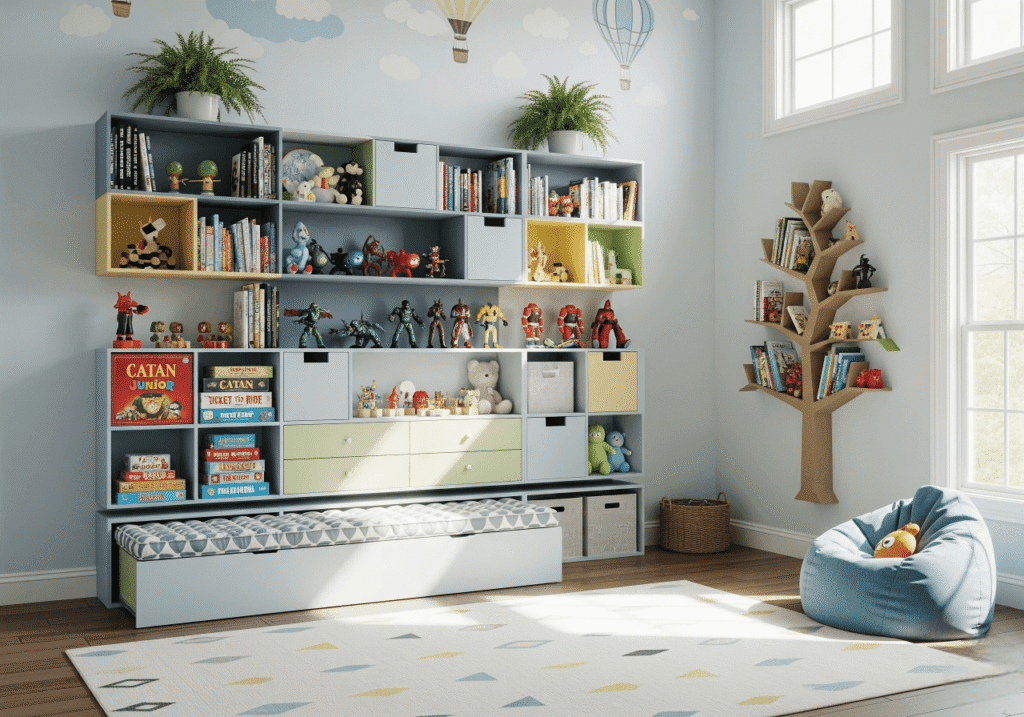
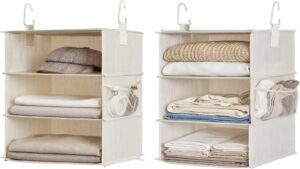
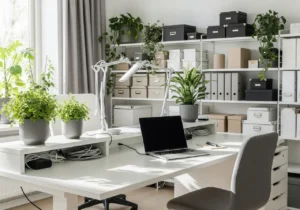
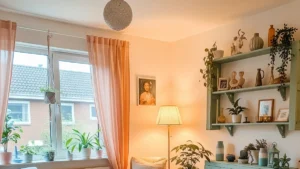
Overlooked but invaluable, vertical space can be the savior of organization. Installing wall shelves in my kids’ rooms opened up new possibilities. It allowed items such as books, board games, and collectibles to be displayed without taking up floor space. This approach maximized storage while keeping the room open and airy.
Vertical storage is versatile, accommodating varying size and shape items. Using adjustable shelves, the setup can evolve as my children’s interests change. This long-term strategy ensures we utilize available space efficiently.
Creating Zones for Kid-Friendly Spaces
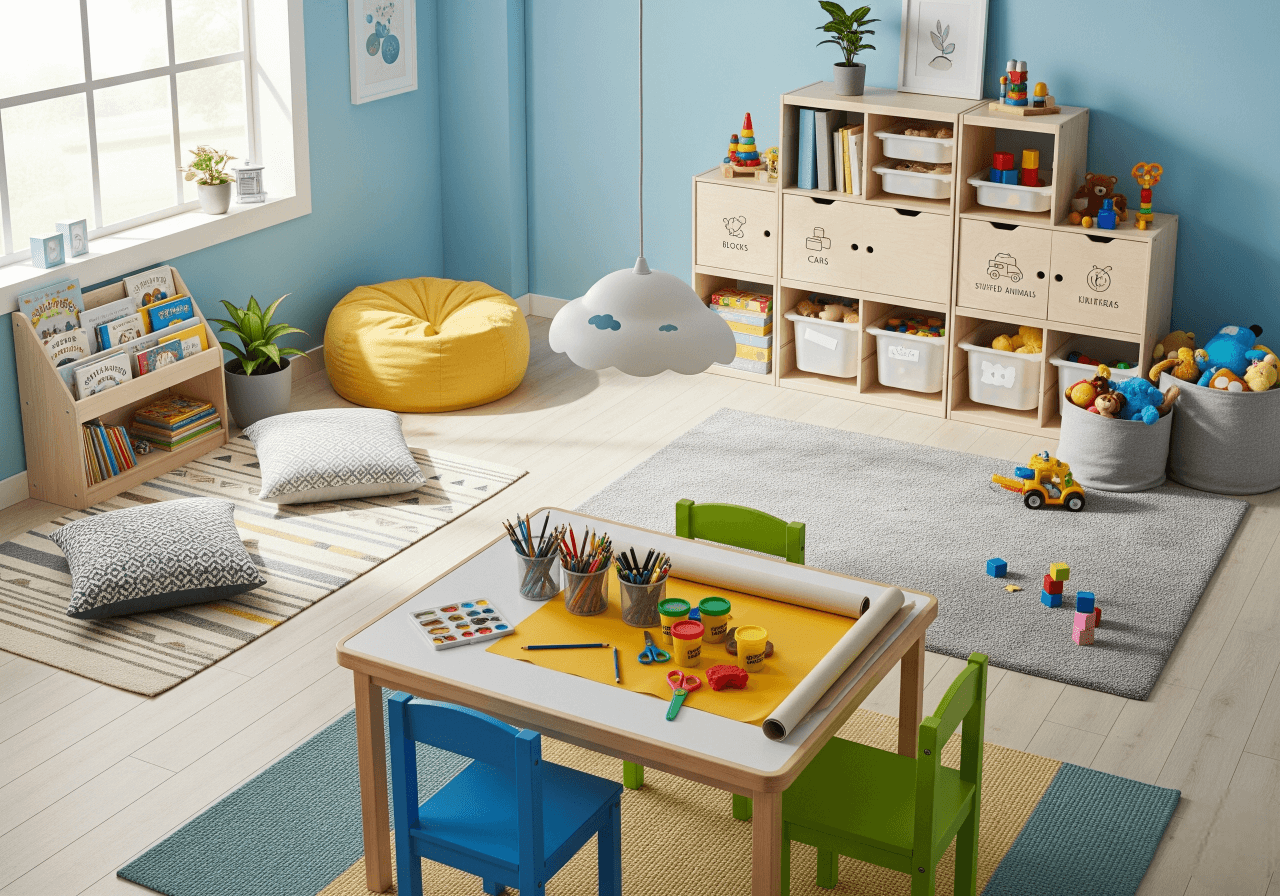
An organized home can greatly benefit from designated zones. These specific areas cater to different activities like reading, crafting, or playing, providing structure during playtime. By establishing these zones, I provided a visual cue for where items should be returned once the fun ended.
Zones also reinforce limits, helping children understand the boundaries of where toys belong. This subtle structure fosters order without stifling creativity or fun, ensuring that our home’s atmosphere remains inviting, not chaotic.
Smart Labelling Systems: For Parents and Kids
Effective labeling was another vital development. I found that using both picture and text labels catered to both my pre-readers and my older children. The consistency of labeled storage has eliminated the recurring question – “Where does this go?”
This system reduces stress and time spent tidying. It also reinforces organization habits not just for my little ones but for the entire family. Visual cues make it straightforward to identify where everything belongs.
Technology-Assisted Organization for the Modern Family
In this digital age, technology has become an asset in organizing life. My latest approach involved using apps designed to track possessions. From cataloging toys and organizing their rotation to setting reminders for decluttering, technology can simplify organization tasks.
Apps provide notifications and guidelines, ensuring everything has its time and place. They also aid in accountability and efficient time management, making them indispensable tools in maintaining order.
FAQ – Common Questions
How do I engage my kids in cleaning up their toys?
Make it fun by turning clean-up into a game or challenge. Use music or a timer to create a sense of excitement.
How often should toys be rotated or decluttered?
Generally, every three to four weeks for rotation and every two to three months for decluttering works effectively.
What are the best types of bins for toy storage?
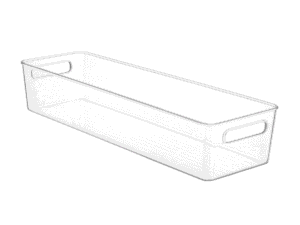
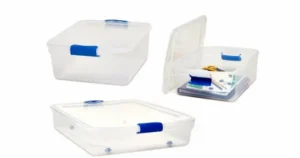
Clear, stackable bins are popular as they save space and allow visibility of contents, while also being easily accessible for children.
How can I manage toy overflow in small homes?
Utilize under-bed storage, wall shelves, and multi-purpose furniture to maximize space without compromising on organization.
How do I decide which toys to keep or donate?
Consider the child’s interest, frequency of use, and educational value. Declutter toys that are broken, outgrown, or duplicated.
 The journey to creating an organized, kid-friendly home doesn’t have to be daunting. By incorporating strategic planning and innovative solutions, maintaining a tidy space becomes second nature. These strategies not only foster a conducive environment for play but teach children the value of organization from a young age. Remember, a tidy home is not just about appearance; it’s about fostering a peaceful environment for growth and creativity. With these insights, I hope you can transform your living space just as I have mine, allowing you to truly enjoy your home to its fullest potential.
 Related Inspiration:
 Adaptive Furniture Ideas for Small Living Rooms: Inclusive & Smart Solutions
Short on space? Discover furniture that adapts to your family’s needs with style.
Cheap Home Decor: Budget-Friendly Ideas to Beautify Your Living Room
Want to upgrade your space without overspending? Explore affordable decor that works.